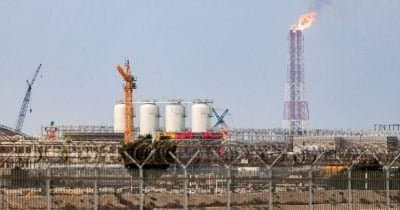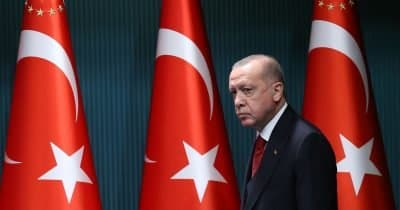
Turkish President Recep Tayyip Erdogan revealed a major energy proposition from Iraq: a daily supply of 1 million barrels of oil. This figure matches the maximum flow capacity of the aging but vital Kirkuk-Ceyhan pipeline, which has long linked northern Iraq's oil fields to the Mediterranean port of Ceyhan in Turkey.
A Pipeline Deal at a Crossroads
The original agreement governing oil flows through the Kirkuk-Ceyhan pipeline dates back to 1973. Now, after more than five decades, the deal is expiring this July with no straightforward path to renewal on its current terms. Turkey has made it clear that it won’t simply extend the contract without renegotiations. The pipeline itself has faced a string of challenges over the years security threats including ISIS attacks, maintenance issues, and political friction between Baghdad and the Kurdish Regional Government in Erbil all contributed to irregular flows far below the pipeline's full potential.
Why This Matters to Global Energy Markets
Iraq stands as one of OPEC’s top producers, so any shift in how it exports oil has wider ramifications. If Turkey and Iraq manage to strike a new deal unlocking close to 1 million barrels per day, it would boost Mediterranean seaborne oil exports significantly. For Turkey, the pipeline corridor is more than infrastructure; it’s a strategic asset. Ankara has been steadily positioning itself as a critical transit hub for East-to-West energy routes, already hosting Russian gas from TurkStream and Azerbaijani gas through TANAP. Increasing Iraqi oil transit capacity would cement Turkey’s role and generate extra revenue for Turkish state entities like TPAO, which historically handles Iraqi oil imports.
The potential for expanded throughput also offers Iraqi producers a key workaround to recent export restrictions imposed on Kurdish oil shipments through the same pipeline. This recalibration could make Iraqi oil exports more competitive and reliable, affecting investors tied to Turkish infrastructure and Iraqi upstream operations alike.
This information is for informational purposes and does not constitute financial advice.