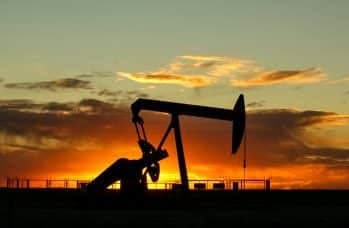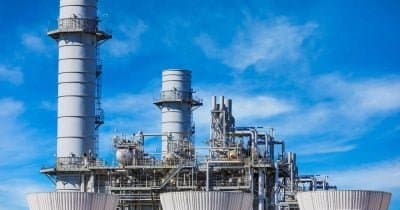
Chevron just inked a 20-year deal with Microsoft to supply 2.5 to 2.67 gigawatts of natural gas power from West Texas starting 2027. Williams committed over $5 billion to modular gas plants aimed at the same hyperscale compute market. Two oil giants are betting that feeding AI's power hunger beats betting on fuel demand. The wager reshapes who gets electricity in America.
The play is simple. Build plants next to data centers, skip the grid, lock in decades of supply. Chevron's Permian Basin complex represents the crown jewel of a partnership formed last January with Engine No. 1 and GE Vernova, targeting 4 GW across multiple US sites. Williams moves faster with project-specific builds, Project Socrates delivering 400 MW to Meta by late 2026, NEO producing 682 MW by 2028.
Why miners can't compete at these terms
Bitcoin mining and AI data centers chase the same resource: cheap, reliable power. Texas made sense for miners. The deregulated grid, proximity to natural gas, surplus energy in places like the Permian Basin created perfect conditions. Miners adapted to spot market volatility, moving rigs when prices moved.
Twenty-year contracts change everything. Microsoft absorbs premium rates because it runs AI training for a decade or more. Bitcoin operations cycle. They mine when it's profitable, power down when margins compress. They can't, or won't, lock $2.5 billion into power rates for two decades. As Big Oil secures long-term agreements with deep-pocketed tech firms, the Permian Basin's cheap power gets siphoned away. Miners find themselves competing against contracts already written, power allocations already decided years ago.
This matters because Texas grid capacity isn't infinite. Every gigawatt Chevron dedicates to Microsoft doesn't exist for anyone else. Mining operations that relied on accessing marginal power now face higher costs, longer delays, or relocation to less optimal jurisdictions. The energy market didn't just shift. It became stratified. Mega-cap tech gets first pick at scale. Everyone else negotiates scraps.
This article discusses energy market trends and infrastructure investment. It is informational content and does not constitute financial or investment advice.