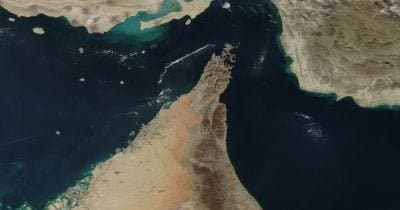
Eight major shipping groups have asked the United Nations to block Iran from imposing tolls on vessels transiting the Strait of Hormuz. The appeal signals serious concern among industry players that the fees could disrupt one of the world's most critical shipping channels, through which roughly 21 percent of global petroleum passes daily.
The Strait of Hormuz sits at the center of geopolitical tension between Iran and the United States. Oil markets have already begun pricing in Hormuz risk as regional instability mounts. Iran's Islamic Revolutionary Guard Corps controls the waterway and has shown willingness to enforce its own rules. If tolls take effect by year's end, shipping costs could spike sharply, rippling through global trade.
The shippers' move to escalate to the UN reflects their sense that bilateral talks and market pressure have failed. They want legal cover to challenge Iran's authority to charge unilateral fees. Current market pricing reflects cautious anticipation, with modest increases in odds that Iran follows through on enforcement. What happens next hinges on whether the UN responds formally, whether Iran and the U.S. find any common ground in ongoing negotiations, or whether either side makes a fresh statement that shifts expectations.
This article covers geopolitical developments affecting energy markets and trade. It is informational only and does not constitute financial or investment advice.