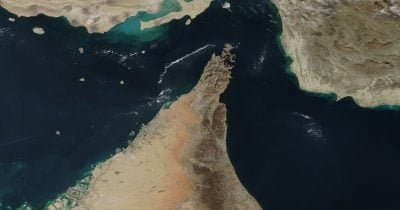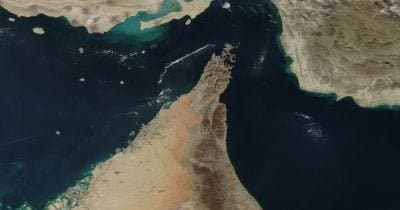
Sinopec, China's massive state-owned refiner, is flooding the market for Russian crude. The move directly responds to the Middle East falling apart as a reliable source. Iran tensions and the Strait of Hormuz blockade have gutted Gulf production by millions of barrels daily, leaving refiners scrambling to plug the gap.
For Sinopec, the math is simple. Russian oil fills the hole. Geopolitical chaos in one region means opportunity in another, and Moscow's exports have become the lifeline keeping Asian refineries fed. The shift reveals just how fragile global oil supply really is when one chokepoint gets squeezed.
The numbers behind the scramble
Supply disruptions from the Middle East have been brutal. Millions of barrels vanished from the market almost overnight, forcing buyers like Sinopec to renegotiate contracts and lock in Russian volumes. This isn't a minor adjustment. When the world's second-largest economy starts chasing alternative suppliers, futures traders notice instantly. Oil prices ticked higher on the news, and shipping firms are already pushing back against Iran's toll demands in Hormuz, showing how the bottleneck ripples across multiple industries.
Market participants are now gaming out scenarios where crude hits fresh all-time highs. The supply crunch is real enough that even small disruptions could tip the balance. Sinopec's import increase signals refiners expect the Middle East situation to stay broken for months, not weeks.
What traders are watching
Every statement from OPEC or Saudi Energy Minister Abdulaziz bin Salman now gets parsed for hidden signals. Will they boost output to stabilize prices, or let supply remain constrained? Sinopec's purchasing patterns become a proxy for that answer. If China's refiners keep ramping Russian buys, it means nobody expects Gulf supplies to bounce back soon.
The real wildcard is whether other Asian buyers copy Sinopec's playbook. Japanese and Indian refiners face the same Middle East squeeze. If they all pivot east simultaneously, Russian pipelines could hit capacity limits, pushing prices even higher.
This article is informational only and should not be construed as financial or investment advice. Market conditions and geopolitical situations change rapidly and can impact commodity prices unpredictably.