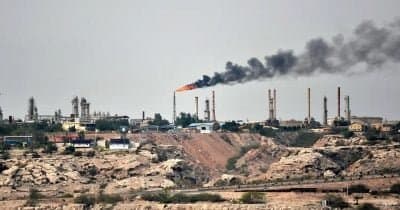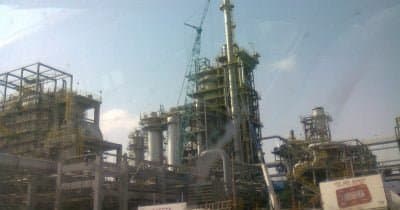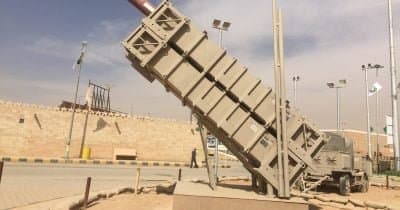
Saudi Arabia’s air defense forces intercepted several drones launched toward critical oil sites and areas around Riyadh on July 27. The kingdom’s Defense Ministry identified the attackers as Iran-backed militias operating from Iraqi territory. Remarkably, these strikes caused no damage or casualties.
Details of the Drone Interceptions
Major General Turki al-Maliki, speaking for the Saudi Defense Ministry, confirmed the drone neutralizations and emphasized the kingdom’s right to respond if necessary. The drones targeted petroleum infrastructure in the Eastern Province, the core of Saudi oil production, as well as locations near the capital city. This event followed a similar drone interception in mid-May, when three drones were shot down after crossing Iraqi airspace. Saudi Arabia has repeatedly urged Iraq to stop militant groups from using its land for attacks, while Baghdad denies involvement but pledges cooperation.
Escalating Regional Risks Affecting Energy Markets
The frequency of these drone attacks has increased since February 2026, coinciding with rising tensions in the Gulf region. Iranian proxy groups are expanding their tactics beyond traditional Houthi missile strikes from Yemen, now employing drones to disrupt Gulf energy infrastructure. Despite the July 27 incident, crude oil prices and crypto markets showed no immediate reaction, as production and supply remained stable.
What Investors Should Monitor Closely
Three main factors will influence future market dynamics. First, any significant change in Iraqi policy toward militias operating from its territory could alter the risk landscape. Baghdad’s stance remains ambiguous, and a clear crackdown or tacit allowance would have notable implications. Second, Saudi Arabia’s response approach is key. General al-Maliki’s statement about reserving the right to retaliate suggests that military action against Iraqi targets remains possible, which would mark a serious escalation.
Third, the broader energy supply context matters. If drone attacks coincide with key OPEC production decisions or shifts in seasonal demand, market reactions could be amplified well beyond the physical impact of the strikes. This evolving pattern of assaults quietly reshapes how traders factor geopolitical risks into pricing.
This material is for informational purposes only and does not constitute financial advice.