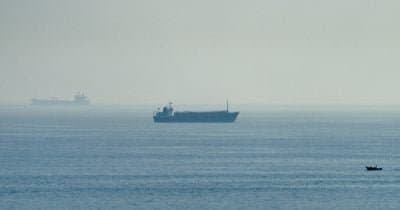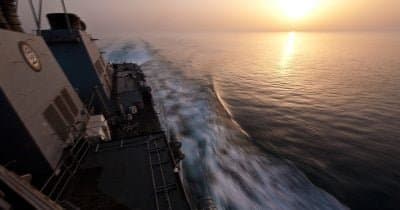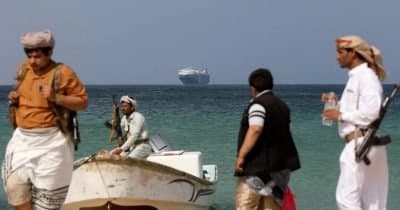
A direct hit from a projectile sent the Indian vessel MSV Faize Noore Oliya to the bottom near Yemen. All 14 crew members made it off safely. The sinking marks another escalation in what's becoming routine attacks on commercial traffic threading through one of the world's most dangerous shipping corridors.
This isn't the first time. Houthis operating from Yemen have spent months targeting cargo ships in the Red Sea and Gulf of Aden, framing their actions as support for Palestinians amid the broader Israel-Hamas conflict. Insurance premiums on routes through these waters have jumped noticeably. Shipping companies now factor in real risks, not theoretical ones. A vessel going down isn't just a headline, it's a signal that the threat level is genuine and climbing.
What changes for shipping right now
Market pricing already reflects investor concern about maritime chokepoints like the Strait of Hormuz and Bab el-Mandeb. If attacks keep happening, expect two things. First, more vessels taking longer detours around the continent rather than cutting through these straits, which drives up fuel costs and delivery times across global supply chains. Second, tighter insurance terms and higher premiums will squeeze operators, especially smaller ones running thin margins.
The U.S. and UK navies have ramped up patrols in the region. That helps, but it doesn't stop a determined attacker with cheap projectiles and a point to make. As long as the Israel-Hamas conflict stays hot, Houthis have both motive and opportunity. Statements from Iranian officials or the movement itself in coming weeks could signal whether this was a one-off or the shape of things to come.
This article covers developments in maritime security and geopolitics. It's informational in nature and should not be construed as financial or investment advice.