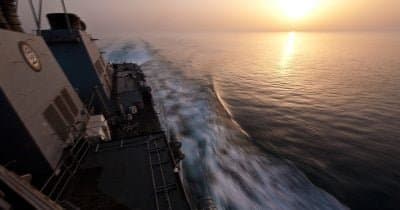
Tehran issued a fresh warning on August 3. American warships attempting to alter shipping lanes or enforce a naval blockade in the Strait of Hormuz will face Iranian military action. The threat marks another spike in the maritime standoff between Washington and Tehran over control of one of the world's most critical oil passages.
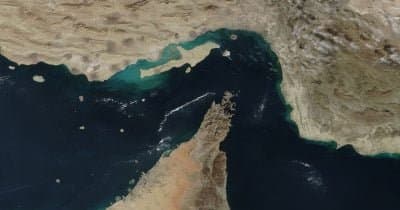
The Strait of Hormuz channels roughly 21% of global petroleum through a 54-kilometer choke point. Any serious disruption ripples across energy markets instantly. Tanker captains are already rerouting when possible, adding days to voyages and driving up insurance premiums.
Prediction markets have priced the odds of normal traffic flow returning by August 31 at just 13.5%. That number reflects how much the market doubts a quick resolution. Each escalation from either side pushes those odds lower.
Military observers are watching for the next US Navy movement. Will destroyers back off or hold position? If Tehran follows through with strikes, even symbolic ones, the consequences for oil and shipping costs could be severe. A peace deal or joint statement would flip market sentiment instantly, but neither side has signaled interest in talks.
The blockade has already choked off billions in commerce. Iranian threats only dig in deeper. Without diplomatic movement in the coming weeks, this remains a slow-burn crisis with sharp downside risks for global energy prices and maritime insurance.
This article presents factual market developments and geopolitical reporting. It is not investment advice or a forecast of market outcomes.