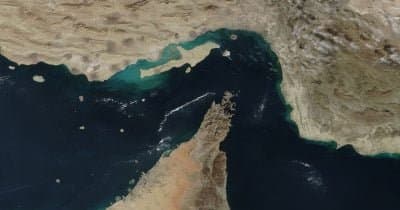
Shipping attacks in the Strait of Hormuz flared up again this week, complicating already fragile US-Iran peace negotiations. Both sides have released contradictory statements about the talks' progress, leaving traders and diplomats scrambling to read the tea leaves.
The mixed messaging centers on whether talks will actually happen in the UAE by end of September. Prediction markets have shifted sharply lower on that scenario. Trading odds now price in a much diminished chance the next diplomatic meeting lands there within the timeline, a stark retreat from earlier expectations about the venue.
Markets pricing in stalled momentum
What traders are really watching is the Strait of Hormuz itself. Recent disruptions to shipping there matter enormously because roughly 20% of global oil flows through that corridor. Any meaningful deal between Washington and Tehran would reshape energy markets completely, but right now both sides are playing cagey about whether they're even serious about sitting down. The uncertainty is rippling through commodity and currency markets already.
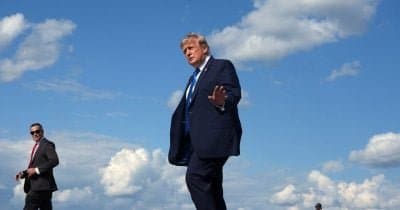
The conflicting signals suggest neither side wants to appear desperate or conciliatory to domestic audiences. Iran keeps publicly threatening military action in the Hormuz corridor, while US officials hedged their recent comments about whether peace is actually possible. Traders are treating this as a signal that talks could drag much longer than expected, or collapse entirely.
Watch for official announcements from either government that confirm a meeting location and date. Any joint statement or high-level diplomatic gesture would instantly shift prediction market odds. Until then, the maritime attacks and conflicting rhetoric will keep energy traders on edge and diplomacy on life support.
This analysis is for informational purposes only and not financial advice. Market conditions can shift rapidly based on geopolitical developments.