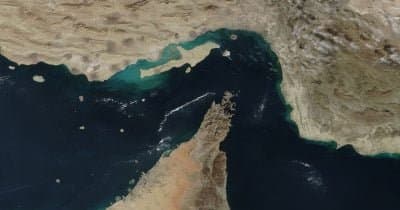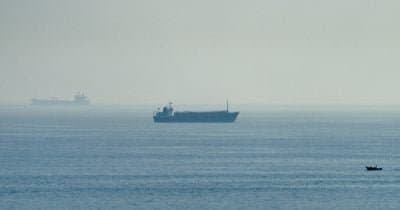
Iran is now demanding complete control over all traffic moving through the Strait of Hormuz, both ships entering and leaving the waterway. Sources told Reuters about the demand, marking a sharp escalation in Tehran's grip over one of the world's most critical shipping lanes. About 20% of global crude oil flows through this narrow passage between Iran and Oman, making it impossible to ignore.
The move comes as tensions across the region stay high. Iran has been testing Western patience for months, and this demand represents something bolder than previous posturing. Markets have already taken notice. Prediction platforms now price a 57.5% probability that Iran will actually impose transit fees by October 31, up from earlier estimates. That kind of shift signals serious traders believe Tehran means business this time.
What makes this different from rhetoric is the practical consequence. If Iran enforces tollbooths on Hormuz traffic, shipping companies would face new costs or forced delays. Oil prices could spike. Insurance premiums would climb. Any disruption here ripples instantly into energy markets worldwide, which is why the U.S., European nations, and regional players like Oman are watching closely. Washington has repeatedly stated the strait must remain open under international maritime law, but enforcing that principle without military escalation gets harder each time Iran raises the stakes.
The international response will determine what happens next. Key actors the United States, Oman as the other bordering nation, and major shipping insurers hold use, but Iran has geography on its side. Commercial shipping firms are already gaming scenarios internally. Military forces in the region are on higher alert. How these groups respond over the next weeks could either push Iran to back down or entrench its demands further.
This material is for informational purposes and should not be considered financial or investment advice.