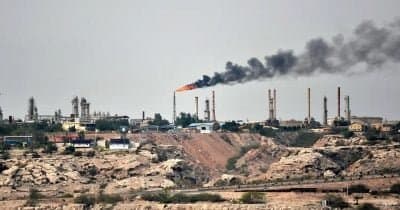
Brent crude plunged more than 7% in a single session, settling near $87 per barrel. This drop follows months of heightened prices between $100 and $120, driven by the US-Iran conflict at its peak earlier this year. Supply disruptions caused by the closure of the Strait of Hormuz removed about 11 to 14 million barrels daily from the market, cutting roughly 14% to 20% of global oil trade.
From Sharp Shortages to Looming Surpluses
Recent diplomatic progress and a halt in military operations have shifted market fears. Instead of scarce oil, an oversupply is now the pressing issue. The US Energy Information Administration forecasts quarterly inventory increases of 2.7 million barrels per day in late 2026, soaring to 5 million barrels per day in 2027. These surpluses could drive Brent crude prices down to $70 by the end of this year and possibly $65 next year.
The conflict’s February and March 2026 peak stands out for its massive impact, as the near-shutdown of the Hormuz Strait which handles about one-fifth of the world’s oil pushed markets into rare territory previously seen as tail risks.
The effects aren’t limited to traditional energy markets. During early-year oil price spikes, cryptocurrencies like Bitcoin, Ethereum, and Solana faced sharp sell-offs, following a clear trend: oil price surges triggered crypto downturns, which then reversed when tensions eased. Platforms like Hyperliquid saw exceptional activity in oil perpetual futures during volatile periods, capitalizing on the fact that decentralized exchanges operate through weekends, unlike traditional futures markets. JPMorgan noted this weekend trading surge in their recent analysis.
US sanctions expanded in July 2026, targeting not only Iran’s oil infrastructure but also cryptocurrency wallets involved in evading restrictions. Iran’s use of digital currencies to bypass sanctions has led to blacklisting of associated wallets, impacting exchanges, decentralized finance protocols, and anyone interacting with flagged addresses. This intertwines geopolitical tensions tightly with crypto markets.