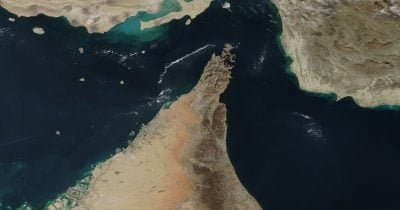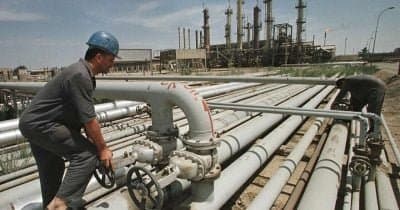
Iraq is moving forward with plans to build a new oil pipeline through Syria, aiming to sidestep the Strait of Hormuz, a critical and often volatile passage for its oil exports. The project focuses on reviving the long-dormant Iraq-Syria pipeline to Baniyas, which has been inactive since 2003. This route would connect oil fields in Kirkuk or Haditha directly to Syria’s Mediterranean coast, offering Iraq a strategic alternative for exporting its crude.
Pipeline Plans and Strategic Motives
The proposed pipeline is part of Iraq's broader effort to diversify its oil export channels and reduce reliance on the Strait of Hormuz, a known chokepoint for global oil flow. Besides the Syria route, Iraq is also considering new pipeline paths through neighboring Turkey and Jordan. However, the revival of the pipeline to Syria appears to be a leading option given its direct access to the Mediterranean Sea.
If completed, this pipeline could increase Iraq’s export flexibility significantly, potentially raising oil supply on the market. Such a development might put downward pressure on WTI crude oil prices, as traders react to the possibility of more readily available crude from the region.
Market Response and Regional Implications
Market analysts are watching Iraq’s pipeline ambitions closely. The move signals a strategic shift that could lessen Iraq’s vulnerability to disruptions in the Hormuz Strait, which carries roughly 20% of the world’s oil trade. Any tangible progress on pipeline agreements with Syria, Turkey, or Jordan will likely impact global oil prices, especially if the new routes come online.
Geopolitical tensions in the region, particularly around the Strait of Hormuz, remain a wildcard that could either accelerate Iraq’s pipeline plans or stall them. Meanwhile, oil markets are pricing in the potential for Iraq to ease its export dependencies, which might influence crude price forecasts over the coming months.