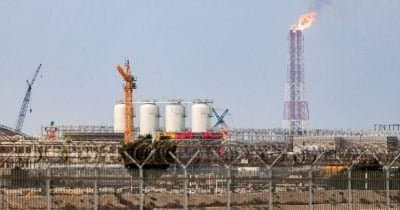
Iran’s gas production has sharply dropped by approximately 230 million cubic meters daily due to recent strikes targeting its energy infrastructure. This loss significantly strains both domestic supply and global energy markets, given Iran’s position as a major gas reserve holder.
Impact on Energy Markets and Oil Prices
The disruption in Iran’s gas output has rattled energy markets, but current crude oil prices, especially WTI, show limited movement toward higher levels in July 2026. Market analysts suggest the damage to Iran’s infrastructure is factored into expectations, keeping price spikes in check despite geopolitical tensions. The complex interplay between supply fears and market sentiment is reflected in the cautious pricing.
Geopolitical Risks and What to Watch Next
Restoring Iran’s gas production capacity will be slow and closely monitored. The situation remains a key variable in global energy supply chains, with possible influence from OPEC+ decisions and US policy moves. Any progress or escalation could shift market dynamics rapidly, highlighting the fragile balance between geopolitical conflict and energy security.
This content is for informational purposes only and is not financial advice.