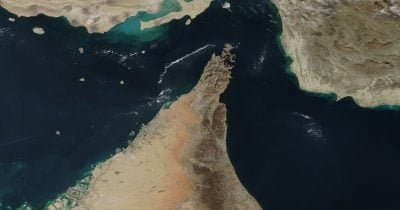
Chinese customs data reveals a steep decline in Iran’s trade with China following Tehran’s shutdown of the Strait of Hormuz. Oil exports from Iran to China plunged from 1.74 million barrels per day in April to about 550,000 barrels in early July, marking a significant drop in just a few months.
This maritime choke point handles a large share of global oil traffic, so its closure has sent shockwaves through regional energy markets. While Iran’s non-oil trade with China also took a hit, China’s dealings with other Persian Gulf countries have held steady, suggesting Beijing is diversifying its Gulf partners amid the crisis.
The shutdown comes amid intensifying tensions involving Iran, the U.S., and Israel, contributing to uncertainty over the future of regional shipping lanes and energy supplies. Market prices currently reflect expectations that the strait will stay closed through at least August, with only a 12.5% chance of normalization by the month’s end.
Diplomatic watchers are closely following any moves toward a peace agreement or framework involving Iran and international powers, which could signal a reopening. Conversely, if Iran’s leadership doubles down on the closure or military clashes escalate, disruptions are likely to persist. Key signs to monitor include vessel tracking updates and shifts in oil pricing that mirror market sentiment on the strait’s status.