The conflict involving Iran is driving a noticeable change in energy supply strategies, especially among countries dependent on oil imports. The New York Times reports that many Asian and European buyers are cutting back on global fuel purchases, switching instead to domestic gas and local energy options.
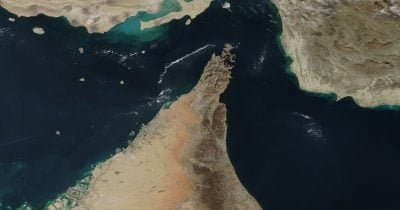
This move comes in response to disruptions in the Strait of Hormuz, a key shipping route for oil and LNG. Nations such as China and India are actively diversifying their energy mix to reduce risks and control expenses.
Market Impact and Price Forecasts
Prediction markets now put the chance of crude oil hitting new all-time highs at 6% by the end of September, rising to 13.5% by December 31. These odds reflect concerns over continued supply constraints and geopolitical uncertainty.
Energy market observers are closely watching any developments around the Strait of Hormuz, along with statements from stakeholders like OPEC’s Secretary General and Saudi Arabia’s Energy Minister, as potential factors that could shift production levels and market balance.
Meanwhile, changes in energy policies from major consumers like China and India will remain critical in shaping the space. The evolving scenario underlines the complexity and instability gripping global energy markets amid geopolitical tensions.