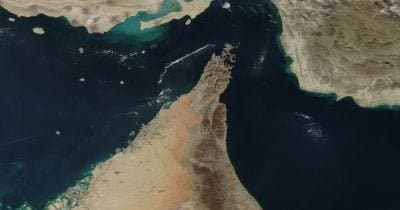
Two explosions heard near Oman sent ripples through energy markets this week. A tanker transiting the Strait of Hormuz reported the blasts, though crew and vessel escaped damage. That's the reassuring part. The troubling part, traders say, is the pattern. Similar incidents have dotted recent weeks, turning what was once routine passage into a zone where anything feels possible.
The Strait of Hormuz moves roughly one-third of the world's seaborne oil. Nothing moves through a corridor that critical without someone watching the numbers. Right now those numbers look nervous. Prediction markets are pricing the return to normal shipping traffic by September 30 at just 29.5% YES. That's down sharply from what the market was saying even a few weeks ago, suggesting investors have lost faith in a quick de-escalation.
Why markets are repricing the risk
The gap between "no damage reported" and "market confidence cratering" reveals something real about modern shipping. One tanker making it through fine doesn't prove the passage is safe. It proves one tanker got lucky. When incidents repeat, the psychological calculation shifts. Operators and insurers start routing ships differently, or demanding higher premiums. Either way, the cost of moving crude climbs.
Tensions between Iran and the United States have been the underlying current since mid-year, but they've mostly felt distant to actual commerce. These explosions make them concrete. A blast you can hear gets priced into fuel costs faster than any diplomatic statement ever will.
What's actually priced in now
The 29.5% market odds on normalization by month-end embed a specific bet. Either tensions ease sharply, a ceasefire materializes, or shipping corridors stabilize through some other mechanism. The market is saying none of that looks likely. The alternative is a stretched period of elevated risk, higher shipping costs, tighter energy supplies, and the knock-on effects that ripple through everything from airline fuel to manufacturing.
Political moves matter here. Statements from Tehran or Washington could shift sentiment fast. A verified agreement or concrete de-escalation would flip the odds overnight. Right now, with incident reports coming in regular intervals and no diplomatic breakthrough in sight, the market is pricing for patience. Long, uncomfortable patience.
This analysis reflects current market conditions and available information. Not investment advice or a prediction of future events.