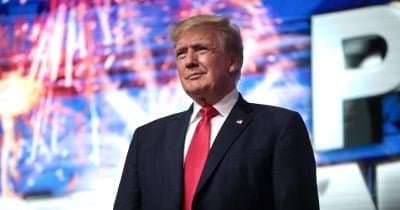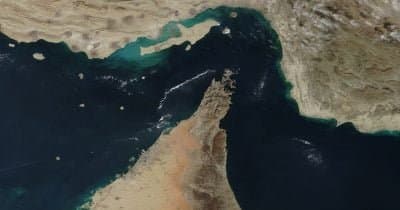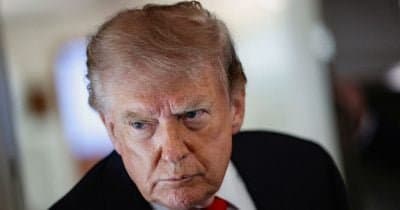
Oil markets just got a jolt. Trump warned Iran that failure to honor nuclear commitments will trigger severe consequences, signaling potential military escalation over control of the Strait of Hormuz. The threat arrived as tensions between Washington, Tehran, and Jerusalem simmer at their worst in months, with both sides positioning forces and testing diplomatic channels simultaneously.
The Strait matters because roughly one-third of global seaborne oil passes through it daily. Any sustained blockade or military action there ripples across energy markets worldwide. Current market pricing suggests traders are skeptical about normalizing traffic by August 31, with odds fluctuating as geopolitical signals shift hourly.
What happens if negotiations collapse
Trump's language points toward military readiness if Iran walks away from the table. The administration appears willing to accept some level of confrontation rather than accept Iranian nuclear advances or Strait closures. That calculus changes everything for commodity traders and energy companies hedging their positions. Iran tightening its grip on Hormuz already has markets bracing for supply shocks, and a direct military encounter would accelerate those concerns overnight.
Vessel trackers show shipping patterns adapting preemptively. Some routes are lengthening, insurance premiums rising, and refineries adjusting their crude sourcing strategies. This isn't theoretical risk anymore, it's operational friction in real time.
The diplomatic window
Both sides still have negotiators in motion, which keeps the scenario from hardening into outright conflict. Watch for statements from Iran's Supreme Leader or President next, any sign of policy shift. U.S. military repositioning announcements or surprise diplomatic engagement could also swing market expectations sharply. The UN Security Council remains another potential pivot point, though Russian and Chinese positions there complicate any resolution.
Oil price movement and live vessel traffic data will be the most honest indicators of where this actually heads, more reliable than any official rhetoric from either capital.
This article presents factual developments and market implications. It is not financial or investment advice.