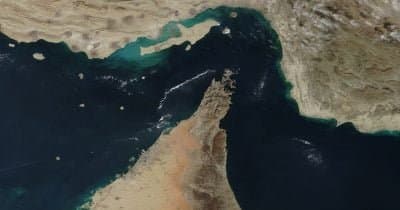
Iran just doubled down on controlling the Strait of Hormuz, calling it non-negotiable. The move signals Tehran is willing to weaponize one of the world's most critical energy chokepoints, where roughly 20% of global oil passes through daily.
Betting markets already sense the danger. Odds on traffic normalization by August 31 have collapsed to just 16.5%, down sharply from earlier expectations. That's markets pricing in real friction, not speculation.
The strait has become the frontline of U.S.-Iran brinkmanship. Every military posture shift, every naval exercise, every diplomatic snub gets scrutinized because the economic stakes are massive. One serious blockade attempt and oil prices spike immediately. Refineries scramble. Energy traders wake up to gap openings.
What happens next matters enormously. Watch for three things: any new U.S. military movements in the Gulf, whether Iran actually tries to restrict shipping, and whether international actors step in with negotiations. Official statements from either side often signal intent weeks before anything physical happens. The current climate suggests Iran feels emboldened enough to keep pushing, which means market volatility around energy is far from over.
This is informational analysis only, not investment or trading advice.