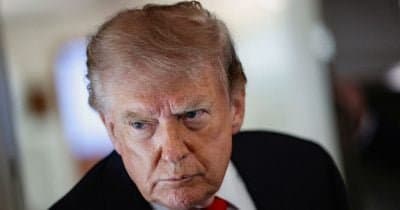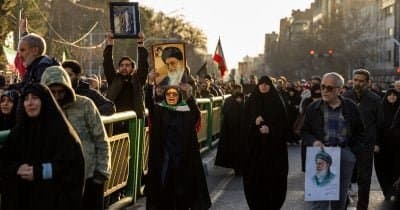
Trump announced that Iran spent an entire day in negotiations, signaling a shift in diplomatic intensity between Washington and Tehran. The statement caught markets off guard, as officials in Iran have consistently denied holding direct talks with the U.S., framing any contact as mediated discussions rather than formal bilateral engagement.
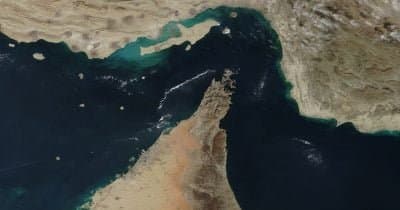
The talks involve go-betweens from Qatar, Pakistan, and Oman, who have been shuttling between the two capitals since military tensions escalated months ago. Trump's claim of an all-day session suggests either the mediators are intensifying their shuttle diplomacy, or both sides have quietly stepped up the pace of indirect communication. Markets are now pricing in scenarios where the UAE could host a formal meeting by late September, though neither Washington nor Tehran has confirmed anything publicly.
What happens next
Traders and diplomacy watchers will be looking for any slip-up in official statements. If Qatar or Pakistan releases details about the talks, that could move markets sharply. Iran's public posture matters too, especially if officials drop their denials and acknowledge serious negotiations are underway. The location of the next meeting, assuming one happens, could tell you a lot about how far apart the two sides actually are.
Trump's move could also be a pressure tactic, a way to keep momentum going and signal to Tehran that talks are progressing whether they admit it or not. It works both ways though, the announcement itself can box in negotiators by raising public expectations when deals are still fragile.
This article covers geopolitical developments affecting energy markets and asset prices. It is informational only and not financial advice.