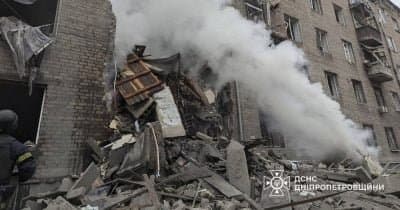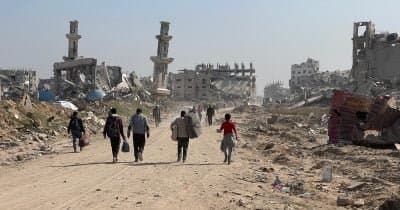
Israeli forces have intensified their military campaign in Gaza, killing at least 17 people, including children, in early August, despite Hamas signaling willingness to consider disarmament under a US-brokered plan. This escalation comes days after President Donald Trump introduced a phased framework aimed at gradually disarming Hamas in exchange for an Israeli withdrawal and cessation of hostilities.
The proposal, announced at a White House meeting with the so-called “Board of Peace,” envisions a step-by-step approach to dismantling Hamas’s military capabilities. Hamas itself described the plan as a draft and expressed conditional openness, demanding that Israel halt its strikes and withdraw troops first. Meanwhile, Israel refuses any pullback before seeing verifiable disarmament.
Deadlock and Distrust Hamper Peace Efforts
This impasse echoes past efforts, including the October 2025 ceasefire that aimed to create similar conditions but faltered over sequencing disagreement. Israel currently controls over 60% of Gaza, and its officials have raised “serious security concerns” to Washington, suspecting Hamas might be using the disarmament talks to regroup rather than disarm for real. These suspicions deepen the trust gap, making any compromise elusive.
As the military actions intensify, the fragile peace plan faces immediate strain, with both sides locked in a cycle of escalation and suspicion. The recent surge in violence and political deadlock underlines how challenging it remains to translate agreements into lasting peace.
This material is informational and not financial advice.