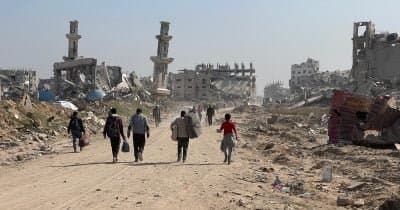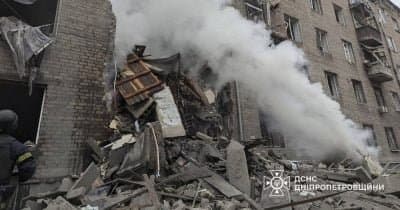
"The attacks continue without pause," a local official said after a recent Russian strike in Ukraine’s Dnipropetrovsk region claimed three lives. The region has seen relentless pressure, with Russian forces targeting it using drones, artillery, and missiles in a steady campaign of aggression. This latest assault shows the brutal intensity that has marked this phase of the conflict.
The ongoing exchanges of fire between Russian and Ukrainian troops in this area reflect a broader pattern seen across the frontlines. Analysts note that the persistent military activity correlates with market indicators hinting at Russia's increasing chances of territorial gains, particularly concerning claims about advancing towards cities like Sloviansk by the end of 2026. Such developments are not isolated, they feed into the wider narrative of shifting control and escalating confrontations.
Observers are closely watching any fresh military moves, especially potential offensives aimed at key locations in eastern Ukraine. Official reports from either Kyiv or Moscow could shift expectations drastically, impacting not only military strategy but also international diplomatic responses. Sanctions and political pressure continue shaping the conflict’s trajectory alongside battlefield tactics. Recent trends in the region have created a tense atmosphere where every missile strike carries broader implications beyond immediate casualties.
Amid this volatility, the civilian toll in areas like Dnipropetrovsk remains a stark reminder of the human cost behind the strategic maneuvers. The region’s vulnerability endures despite defenses and ongoing resistance, with both sides entrenched in a fight whose consequences ripple through markets and governments worldwide.
This information is for general awareness and does not constitute financial advice.