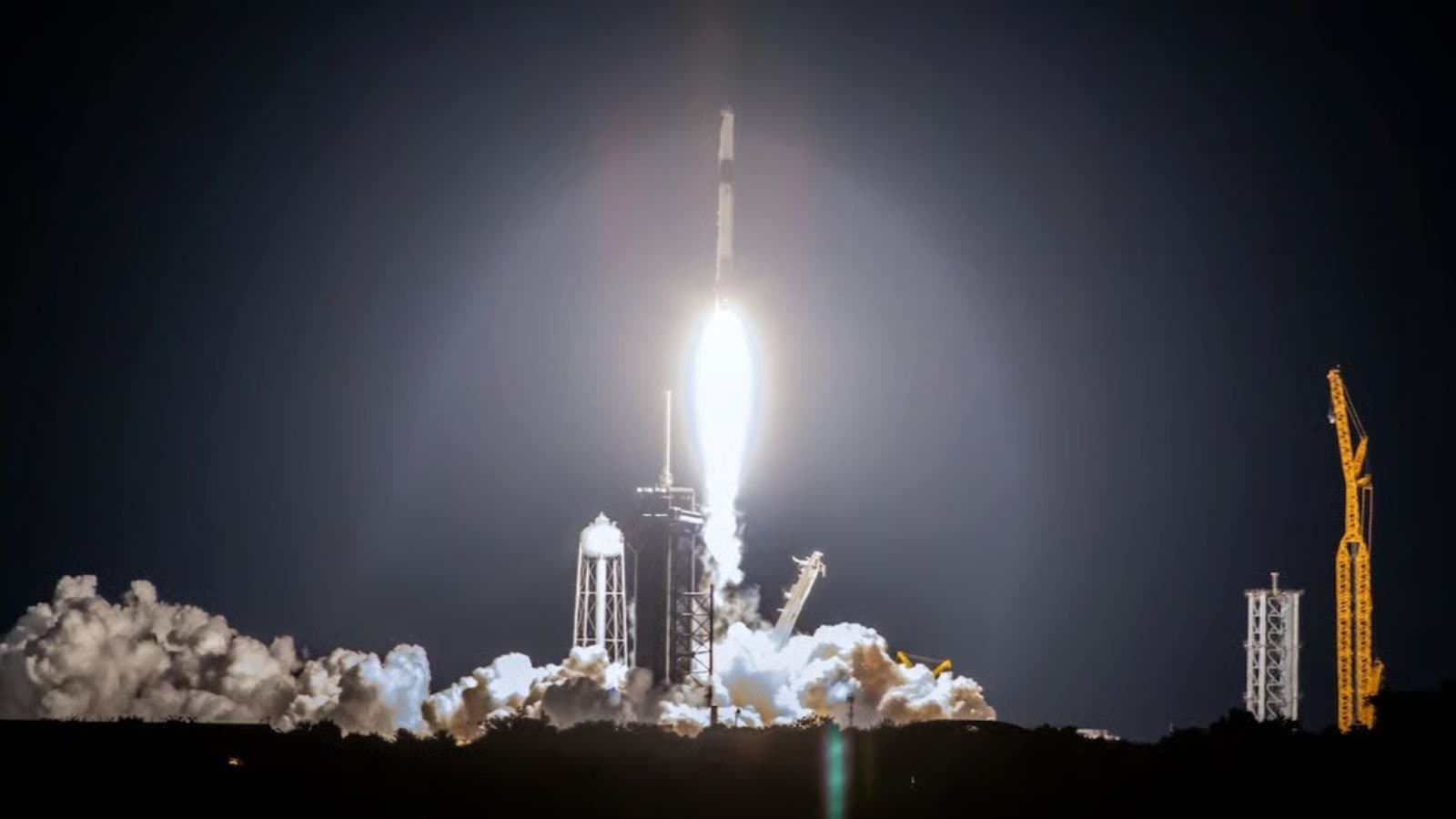
SpaceX shares have lost roughly half their value from a 52-week high of $225.64, yet the company's long-term thesis remains largely unchanged. Reusable rockets and expanding satellite networks keep drawing institutional capital, even as near-term momentum stalled.
The space economy itself is accelerating. Government contracts keep flowing, private competition is intensifying, and the infrastructure for next-generation launches continues to mature. SpaceX's core advantage, its ability to land and refly boosters at scale, still outpaces competitors by years. That gap matters when you're pricing in revenue streams across 2026, 2027, and beyond.
The valuation gap
Analysts throw around $3 trillion as a potential target, though the math depends entirely on timing and execution. A $3 trillion valuation would require the company to grow revenue dramatically and maintain profit margins most industrial businesses never reach. SpaceX would need to dominate satellite deployment, win significant Mars-mission contracts, and potentially launch a space-based power or communications venture.
That's not fantasy. It's also not guaranteed. The 50% drawdown reflects real concerns, not just market noise. Regulatory delays, competition from Blue Origin and others, and the sheer capital intensity of space projects all present headwinds.
This article is informational and should not be construed as financial advice. Valuations and stock predictions carry substantial risk, and investors should conduct their own due diligence before making any decisions.