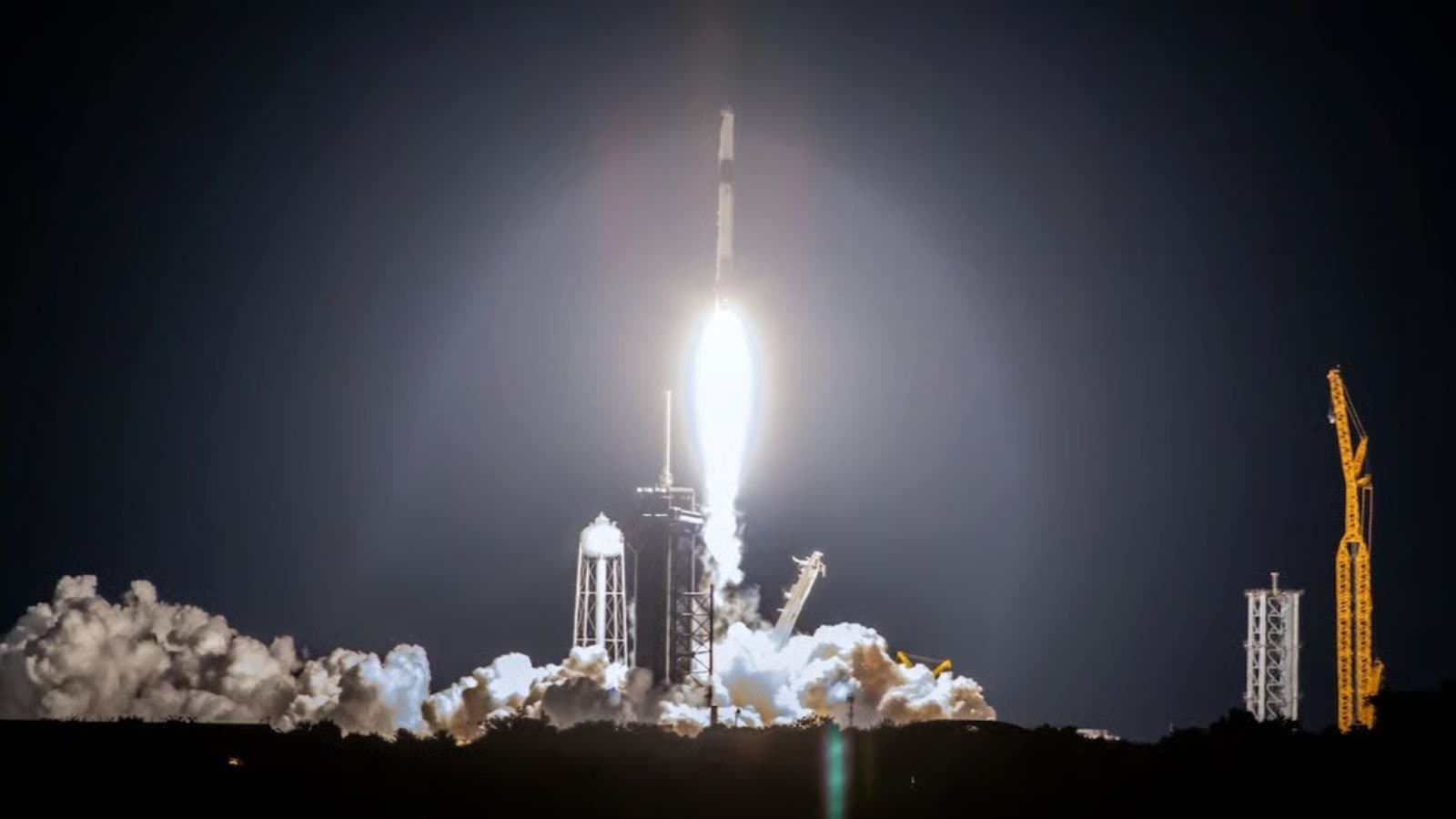
SpaceX just posted Q2 revenue of $7.8 billion, crushing analyst expectations of $6.81 billion. That's a 92% jump year-over-year. The stock rallied 9.43% to $125.33 before earnings, then stumbled in after-hours as investors digested the $18.4 billion in capital expenditures.
Adjusted EBITDA surged 191% to $3.5 billion. The company still posted a net loss of $541 million, pouring cash into AI infrastructure, Starship development, and next-generation Starlink satellites. Management isn't apologizing for the spending.
Connectivity brought in $4.3 billion and added 1.7 million net subscribers during the quarter. The real shock came from AI. Revenue there jumped 247% year-over-year to $2.6 billion, and the segment hit adjusted EBITDA profitability ahead of schedule. That's the kind of trajectory that gets Wall Street's attention.
Management walked out with fresh targets. They're aiming for a $100 billion annualized revenue run rate by end of 2026. They also accelerated the timeline to $1 trillion in annual revenue from 2031 to 2030. One year faster.
By press time, the stock traded around $125 after dipping nearly 15% in pre-market to $110. The volatility reflects the classic SpaceX tension: jaw-dropping growth numbers versus the capital burn required to get there.
Analysts are mostly bullish. Bank of America's Ronald Epstein reiterated a Buy rating and $235 price target on August 5, noting both revenue and profitability beat expectations. Mizuho maintained Outperform and $200. Clear Street kept Buy at $217, citing AI's early profitability.
TipRanks data shows 31 analysts covering the stock with a Moderate Buy consensus. Twenty-three recommend buying, six suggest holding, two rate it a sell. The average 12-month price target sits at $233.71, implying roughly 86% upside from the latest close. Targets range from $75 to $800, so there's real disagreement on the story.
This is informational content only and not a financial recommendation. Do your own research before making investment decisions.