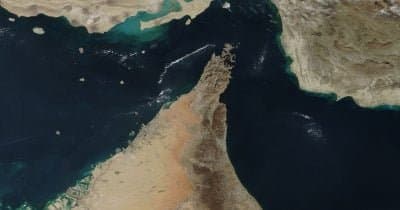
Iran’s move to halt ships passing through the Strait of Hormuz pushed oil prices higher, raising concerns across global markets. The Strait, a vital artery for nearly 20% of the world’s oil, sits between Iran and Oman and is notoriously tense. Any disruption here quickly shakes up energy prices and sends ripples through risk assets, including cryptocurrencies.
Why the Strait of Hormuz Holds So Much Power
This narrow channel, only about 21 miles at its slimmest point, serves as the main passage for tankers carrying crude from Saudi Arabia, Iraq, Kuwait, and the UAE. When Iran has in the past detained vessels or clashed with naval forces in this zone, oil benchmarks like Brent and WTI have seen swift price spikes. Even fleeting incidents can cause sudden jumps, though these often subside once tensions ease.
What Crypto Traders Should Keep an Eye On
Duration is key. A short standoff that clears up in hours or a few days usually means a quick spike in oil followed by a fade, barely touching crypto markets. But if the blockade lingers or escalates militarily, it could shift the economic landscape for weeks or even months.
Inflation expectations also matter. Bond markets tend to anticipate inflation rises before the news spreads widely. Watch for breakeven inflation rates rising as a sign that energy disruptions might be viewed as lasting.
Another key indicator is how Bitcoin performs against gold. In serious geopolitical crises, gold often outpaces Bitcoin quickly. A widening gap suggests investors are flocking to traditional safe havens rather than digital assets, which could pressure crypto prices near term.