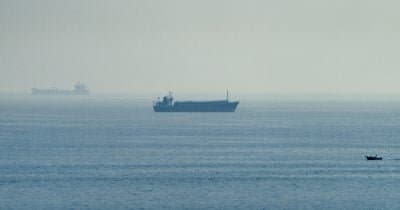
Two commercial tankers cleared the Strait of Hormuz overnight with U.S. Navy protection along the Omani corridor. The move signals a shift in how Washington intends to handle the region's escalating logistics crisis, though the full picture remains messy. Prediction markets immediately priced the odds of normal traffic resuming by September 30 at 30.5%, up sharply from 22% just a day earlier.
The escort operation shows how brittle global energy transit has become. One military convoy protecting a handful of vessels hardly solves structural problems, yet markets read it as a harbinger of better days ahead. CENTCOM has been careful not to announce a formal resumption of escort operations, treating last night's transit as an isolated security response rather than a standing policy shift.
What changed operationally
The Navy's presence in the corridor matters less for logistics than for political signaling. U.S. protection of commercial shipping typically escalates tensions with Tehran rather than resolve them, since it signals American determination to maintain the status quo through force. The IRGC has previously interpreted similar operations as provocations warranting counteraction. Yet markets, perhaps naively, read military protection as a precursor to de-escalation. The sharp jump in bullish bets on September normalization suggests traders expect either Iranian restraint or American negotiators cutting a quiet deal within weeks.
What traders are watching
The next tells will come from maritime tracking data and Iranian rhetoric. If escort operations become routine, that's one narrative. If they remain episodic and defensive, another takes shape. Statements from Iranian officials carry enormous weight here, since even hawkish IRGC messaging can spook markets if it hints at renewed military pressure on shipping lanes. The real test arrives when crude prices react to the next incident, not to optimistic betting.
This material is for information only and does not constitute investment advice. Geopolitical events and shipping disruptions carry unpredictable market consequences.