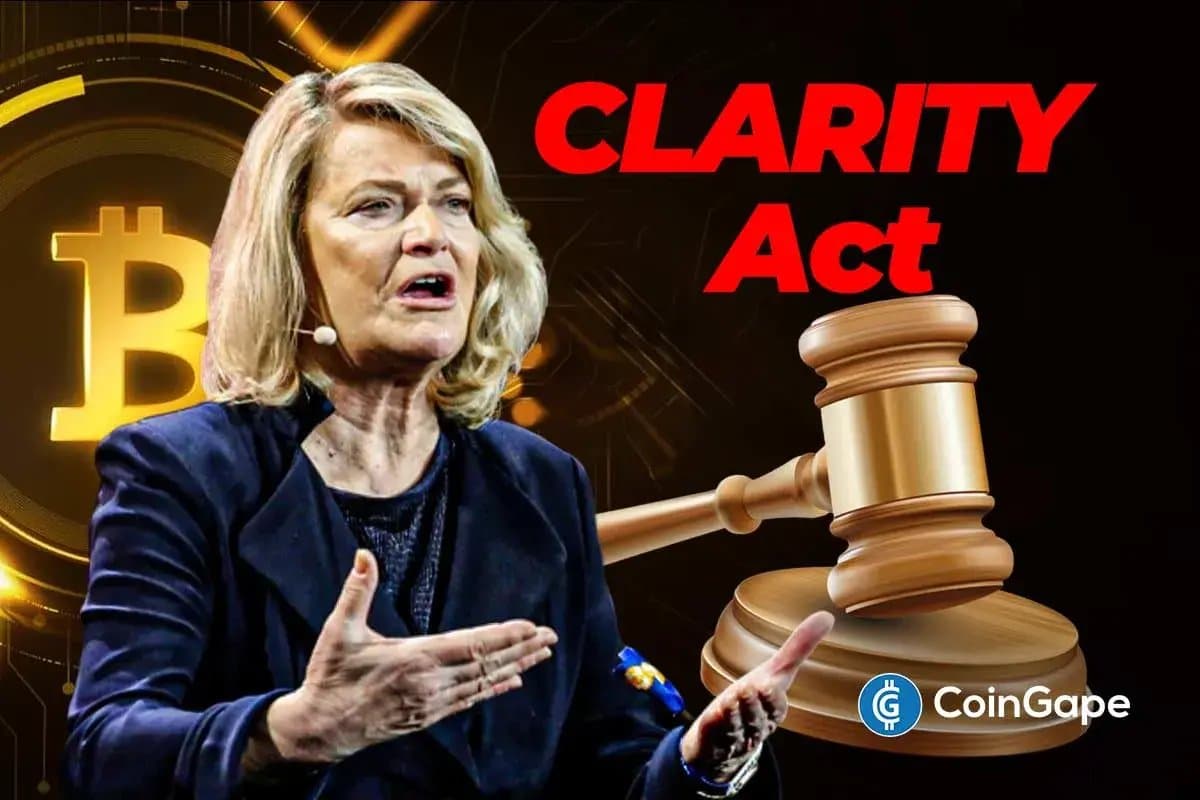
Senator Cynthia Lummis is meeting with Democrats almost every day now to hammer out details on the CLARITY Act. A procedural vote could happen soon, but three stubborn issues remain unresolved as the Senate races against its August recess deadline.
The bill itself isn't controversial in broad strokes. Most lawmakers agree the crypto market needs federal rules, not a patchwork of state regulations and SEC enforcement actions. What's tripping everyone up is the plumbing. Ethics rules for officials. What powers the CFTC actually gets. How penalties work.
Lummis told colleagues the daily negotiations are productive. That's political speak, but it signals real movement. If talks stall completely, you hear "ongoing discussions." Daily? Something's actually being drafted.
The stakes matter for the market. A clear federal framework would let exchanges, custodians, and lending platforms operate without constantly checking whether the SEC or CFTC will sue them tomorrow. Right now, that legal fog keeps smaller crypto firms nervous and depresses institutional adoption. Bigger players like Coinbase manage the uncertainty through compliance spending. Everyone else just waits.
The August recess deadline is real. Congress doesn't stay in session forever, and once members scatter to their districts, legislative momentum dies. If the CLARITY Act doesn't get a vote before then, it gets shuffled into next year's backlog with dozens of other stalled bills.
Supporters are pushing hard. They know the window won't stay open long. The crypto industry itself is split on details. Some want the CFTC to get broad oversight. Others think that's overreach. Stablecoins are another flashpoint, with banks worried about competition and crypto firms demanding fair treatment.
Lummis has been the Senate's most vocal crypto advocate for years. She owns Bitcoin herself. But even her credibility only gets you so far when you're negotiating against competing interests. The fact that talks are daily, not weekly, suggests something could actually move.
This is informational content about legislative development in cryptocurrency policy. It's not investment advice and doesn't constitute financial guidance of any kind.