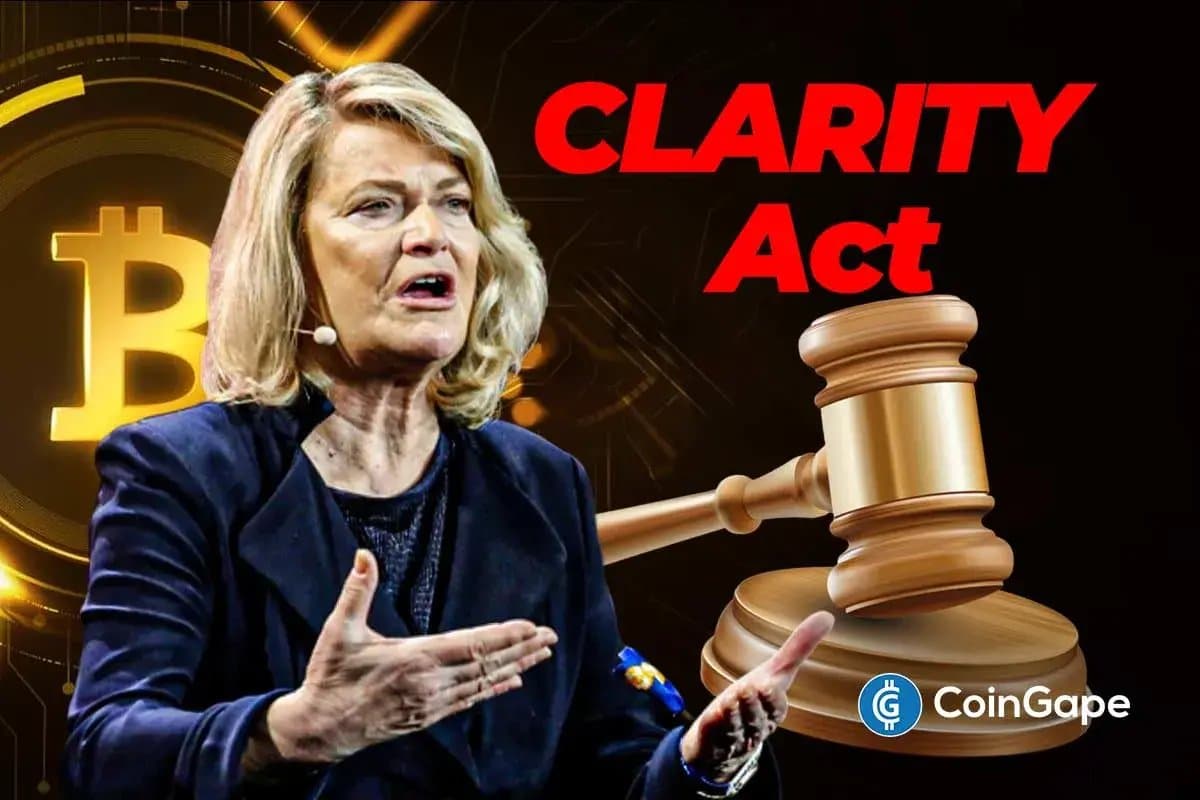
Eleanor Terrett, speaking at Las Vegas' Rare Evo Conference, dropped a troubling detail: the Clarity Act could collapse over something most people wouldn't expect. Not technical disagreements. Not industry lobbying. Ethics rules designed to stop Trump from profiting off his own cryptocurrency projects, TRUMP memecoin and World Liberty Financial.
The US Senate is racing. August recess looms. Republicans control 53 seats and need seven Democrats to hit the 60-vote threshold for cloture. Senate Leader John Thune signaled he's willing to skip the recess entirely if lawmakers can strike a deal. But right now, one issue is grinding negotiations to a halt.
The Ethics Trap Nobody Saw Coming
Democrats argue the current ethics language in the bill is toothless. They want state attorneys general to have standing to sue the Department of Justice if government officials or Congress members violate asset rules. Republicans and the White House flatly reject this. State-level enforcement, they say, would turn into a weapon for politically motivated litigation. The draft does include one safeguard: a blanket ban on federal officials and lawmakers issuing digital assets while in office, valid through 2029. Democrats say it isn't enough.
Programmer Immunity Splits Law Enforcement and Crypto
A second flashpoint involves the Blockchain Regulatory Certainty Act provisions, written by Representative Tom Emmer. The clause grants criminal immunity to developers who write code or protocols if bad actors or foreign hacker groups exploit that code later. The crypto industry calls this essential. Prosecutors and law enforcement see it as a license to write unsafe software. This disagreement hasn't been resolved, and sources say it could derail the entire package if either side digs in.
The procedural math is brutal. Terrett emphasized that Thune's willingness to force a vote could push both parties toward compromise, but the calendar is unforgiving. Every day the Senate stays deadlocked on ethics and immunity is another day the August window closes. One misstep on either issue could send the bill back to committee, killing momentum for the rest of the year.
This article is for informational purposes only and does not constitute financial or legal advice. Regulatory developments can change rapidly. Consult qualified professionals before making investment or compliance decisions.