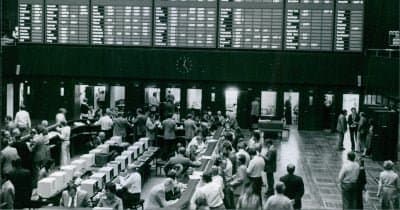
India switched up how it calculates closing prices on August 3, 2026, and the result was immediate chaos. The Nifty 50 jumped nearly 200 points after the market had already shut down for the day. Meanwhile, the Sensex went its own way. Two of India's most-watched indices diverged sharply, something that almost never happens, leaving traders confused about what the new auction system actually meant for their positions.
The old method was straightforward. Both indices used the same closing price mechanism. Under the new auction rules, the process changed enough to create a gap between how Nifty and Sensex recorded their final values. Traders who relied on these closing prices to set their overnight positions suddenly found themselves with mismatched references. A trader holding both indices faced different closing values within hours of each other, making it harder to calculate actual gains or losses.
The confusion spread fast. Institutional desks had to scramble to understand whether the new auction was working as intended or if something had broken in the system. The 200-point jump in Nifty after hours suggested the auction was pulling prices in unexpected directions, creating a gap that didn't exist before. For retail traders watching their portfolios, the divergence raised questions about whether the new system was fair or if it favored certain types of orders.
Market participants are still adjusting. The new auction mechanism was supposed to improve price discovery at the close, but the immediate result was two indices moving apart instead of staying locked together as they had for years.