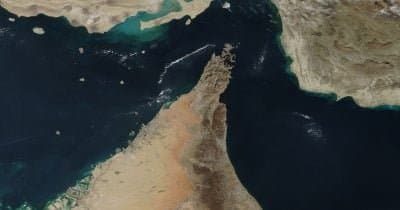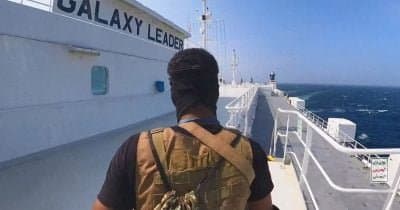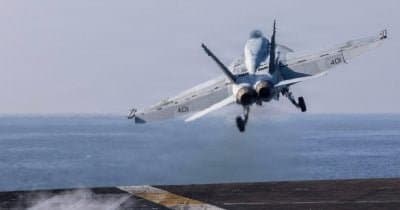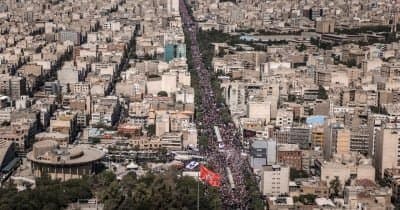
"People are rushing to gas stations fearing the worst," said a Tehran resident as queues at fuel pumps lengthened across the city amid rising anxieties over possible US military action. Videos circulated on social media show long lines of cars waiting for fuel, a sign of civilian unease triggered by recent US strikes near Tehran and the strategic Strait of Hormuz.
The atmosphere is tense. Markets tracking the geopolitical situation reveal a steep drop in confidence that the US will lift its blockade on Iran anytime soon. Prediction markets for August 7 and August 15 show a sharp decline in odds for a resolution, reflecting growing uncertainty among investors and traders about an imminent diplomatic breakthrough.
The ongoing conflict has pushed Tehran's residents into anticipatory mode, worried about fuel scarcity as military activities intensify. The situation is not just about supply but about the fear of disruptions spilling over into daily life. Key announcements from US President Donald Trump or Iranian Supreme Leader Ali Khamenei could still shift the delicate balance, but for now, the outlook remains grim. Any escalation near the Strait of Hormuz the world’s key oil transit route could further exacerbate these fears and market volatility.
These developments follow a pattern seen before: increased regional conflict leading to civilian scramble and market jitters. Similar tensions have affected crypto flows through the region, as highlighted in recent reports showing large movements of funds from Iran-linked exchanges to platforms like Binance. The intersection of geopolitical risk and financial markets continues to shape the space in unpredictable ways.
This material is for informational purposes and does not constitute financial advice.