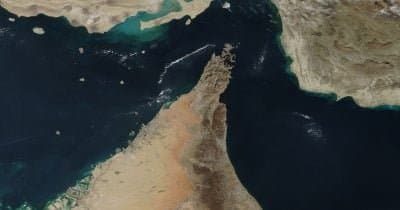
Iran is actively deploying speedboats through its Revolutionary Guard Navy to maintain a blockade on the Strait of Hormuz, a key chokepoint for global oil shipments. This tactic aims to deter potential U.S. military actions amid escalating tensions in the 2026 conflict involving Iran, the U.S., and Israel.
These fast, maneuverable vessels harass merchant ships, creating operational challenges for American and allied naval forces. Recent market data reflects growing skepticism about the strait reopening anytime soon, with the odds dropping from 10% to 7.5% over just one day, signaling increasing pessimism over normalization before the end of August.
Experts monitoring vessel movements and official statements watch for any sign of a diplomatic breakthrough such as joint announcements or UN interventions that could lead to easing the blockade. Until then, Iran's use of asymmetric warfare through speedboats keeps the waterway tightly controlled, driving maritime risks higher and putting added pressure on energy markets. This risky standoff also comes as oil prices fluctuate amid broader Middle East tensions and military strikes.
This material is for informational purposes and not financial advice.