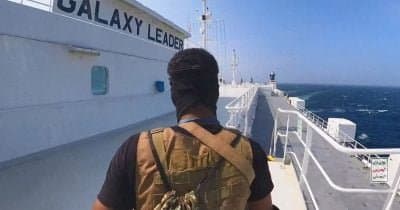
The Houthi movement in Yemen, backed by Iran’s Islamic Revolutionary Guard Corps, is preparing to enforce a toll system on vessels passing through the Bab el-Mandeb Strait. This vital maritime corridor links the Red Sea and the Gulf of Aden, handling roughly 4 million barrels of oil daily and key global trade routes. By adopting Iranian tactics seen in the Strait of Hormuz, where Iran has long threatened to charge transit fees, the Houthis aim to assert control over this strategic choke point.
Iran’s involvement in crafting the toll plan signals a coordinated effort to expand its influence over key waterways, heightening regional tensions and raising economic stakes for international shipping. Market analysts have noted a recent jump in betting odds that Iran will impose fees in Hormuz, climbing from 24% to 29% within a day, reflecting growing concern over potential disruptions. This collaboration hints at a broader initiative by Tehran to use maritime chokepoints for political and financial gain.
Any formal declarations about toll implementation from Tehran or the Houthis could ripple through global markets, impacting oil prices and shipping insurance rates. Meanwhile, responses from the United States, Gulf states, and international maritime organizations will be critical to watch. The move follows a period of heightened conflict in the region, including targeted strikes on Iran-backed militias, adding layers of complexity to security in the Red Sea corridor.
This information is presented for awareness and does not constitute financial advice.