Washington’s strategy against Iran is taking a tough turn. Rather than dialing back, the U.S. is ramping up a mix of sanctions and military maneuvers aimed squarely at eroding Tehran’s ability to respond effectively. This escalation isn’t just political posturing it’s a deliberate move to squeeze Iran economically and militarily until its options narrow significantly.
Pressure Cooker: Economic Sanctions and Military Posturing
The current U.S. approach hinges on intensifying economic sanctions combined with naval blockades designed to slash Iran’s oil revenues, a vital artery for its economy. This strategy aligns with what experts describe as a 'maximum-pressure' policy pushing Iran toward a corner by cutting off critical resources and signaling military readiness. Iran, however, has fired back with warnings of potential military retaliation if these measures persist, raising the stakes in an already volatile region.
Impact on Negotiations and Market Sentiment
The hardening stance has clear repercussions for diplomatic efforts, particularly those surrounding a potential U.S.-Iran agreement expected in 2026. Talks have hit turbulence, with analysts noting that increased sanctions reduce the chances of reconstruction funding being part of any deal. There’s also skepticism about Iran’s willingness to curb uranium enrichment under these pressures. Market predictions now lean toward a prolonged stalemate, with the possibility that only limited or piecemeal agreements may emerge.
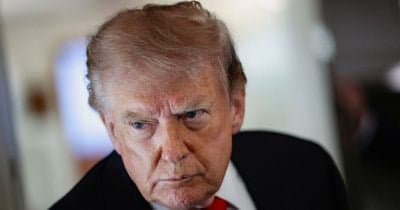
Keeping an eye on key players such as President Donald Trump and Iranian Foreign Minister Javad Zarif remains key, as their statements could quickly shift market perceptions. Meanwhile, any movement from regional actors like Israel or changes in Iran’s nuclear activities might tip the balance further.
Disclaimer: This content is for informational purposes only and does not constitute financial advice.