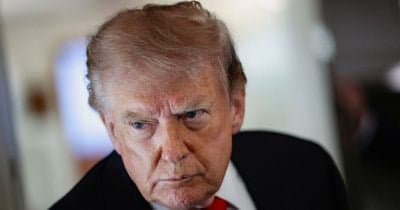
Trump claims Iran backed down because it knows the U.S. military is ready to strike. The statement comes as a nuclear deal deadline hits mid-August 2026, with talks still locked in standoff.
Betting markets haven't bought the peace narrative. Odds for a final agreement before August 13 remain thin, traders pricing in the military posturing as the real story.
Behind the rhetoric sits genuine hardware. U.S. forces have repositioned assets across the Gulf region. Iranian officials watch the moves closely, each carrier deployment and air-defense purchase feeding into private calculations about cost versus payoff.
Trump's comment reflects a particular view of negotiations, one where strength comes first and diplomacy follows. It's a sharp contrast to earlier engagement phases when both sides signaled room for compromise.
Public statements matter in this game. Any word from Ayatollah Khamenei or White House officials could reshape how markets price the deal. A single interview or policy shift tilts the math overnight.
The clock runs down in days. Both sides have built positions they're reluctant to abandon, nuclear talk tangled up in broader regional jockeying and domestic politics on each end. No clear path forward exists, just competing versions of strength.
This material is informational and does not constitute investment or political advice. Geopolitical outcomes carry inherent uncertainty.