The US government has slapped sanctions on a network linked to Babak Zanjani, an Iranian financier known for playing a critical role in sidestepping Tehran’s financial restrictions. This move hits four individuals and nine entities connected to Zanjani, aiming to choke off funds that reportedly support Iran’s Islamic Revolutionary Guard Corps (IRGC).
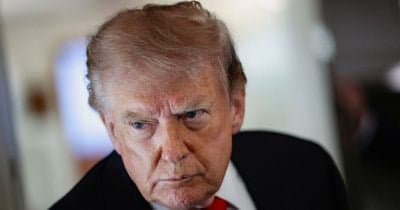
The timing is notable: these sanctions come as President Donald Trump’s administration escalates pressure on Iran through economic means rather than military confrontation. The strategy is part of a broader effort to curtail Iran’s financial operations without direct conflict, all while nuclear negotiations remain fragile.
Zanjani’s network has long been under scrutiny for facilitating transactions that help Iran dodge US and international sanctions. By targeting his associates and their businesses, Washington intends to disrupt these channels and send a clear message about its stance on Iran’s activities.
The sanctions coincide with increasing uncertainty around the US-Iran nuclear deal. Market predictions for a successful agreement by the August 13 deadline have dropped, reflecting skepticism about diplomatic progress as tensions rise. Analysts warn that these measures could further complicate negotiations, especially with confrontational rhetoric continuing from both sides.
Observers are closely watching statements from key figures like Trump and Iran’s Supreme Leader Ayatollah Ali Khamenei. Any new developments could shift the delicate balance, influencing both diplomatic talks and market reactions.
Meanwhile, the sanctions add another layer of strain to an already volatile geopolitical situation, with the risk of retaliatory moves from Iran looming. The next few weeks will be critical for determining whether diplomacy can prevail or if economic pressure will push the region toward deeper conflict.
Market response to the sanctions has been cautious, with investors weighing the potential fallout on energy prices and regional stability.