U.S. intelligence agencies have raised alarms that Iran’s freshly appointed leader could be more inclined to develop a nuclear weapon. This potential policy shift comes amid longstanding tensions between the U.S., Israel, and Iran over the latter’s nuclear ambitions.
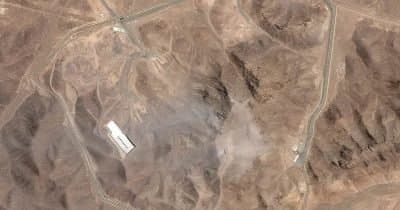
Despite Iran’s repeated denials of seeking nuclear arms, the country possesses the technical knowledge and infrastructure to accelerate weaponization if it chooses. Past U.S. and Israeli strikes on Iranian nuclear facilities have not significantly altered Tehran’s overall timeline for developing a bomb.
Rising Regional Tensions and Market Impacts
The intelligence findings coincide with a drop in market confidence regarding a U.S.-Iran nuclear deal in 2026. Market indicators show decreased optimism about diplomatic progress, reflecting fears that Iran may move toward weaponization. This development adds complexity to the geopolitical landscape, as any increased uranium enrichment or military responses from Israel or the U.S. would heighten volatility.
Observers are closely watching Iran’s next moves, including official statements and nuclear activities. Diplomatic efforts or fresh intelligence could still influence the trajectory, but current signals point toward a more confrontational stance.