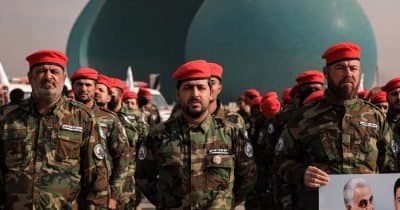
About 20 fighters linked to Iran-backed Popular Mobilization Forces (PMF) in Iraq were killed following coordinated airstrikes by US and Saudi forces. These attacks mark a significant escalation in the ongoing tensions between Iran and Gulf states, with the strikes reportedly targeting militia bases across Iraq in retaliation for earlier drone assaults on Saudi oil infrastructure.
Escalation Signals Hardening Military Stance
The joint operation highlights a shift toward more aggressive tactics involving both US and Saudi military assets. Unlike previous indirect confrontations, this coordinated action demonstrates a willingness to strike Iranian proxies directly on Iraqi soil. Iraqi officials have strongly condemned the strikes, calling them violations of national sovereignty and warning of potential destabilization. Strategically, the attacks appear designed to deter further militia attacks linked to Iran, but they also risk provoking wider retaliation.
Regional Fallout and Market Reactions
Following the strikes, market indicators have already priced in an increased likelihood of Iranian countermeasures, reflecting heightened risk perceptions across Gulf states. Analysts are closely monitoring Tehran's response, anticipating whether Iran’s leadership opts for measured diplomatic pressure or escalates militarily. The situation remains fluid, with the possibility of further US or Saudi military actions intensifying the conflict. This episode adds to unpredictable regional dynamics that could impact global energy markets and geopolitical stability.
This content is for informational purposes and does not constitute financial advice.