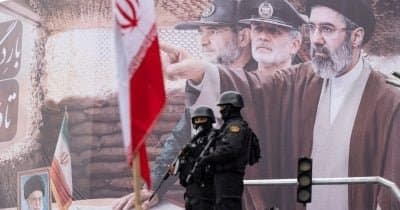
Four members of Iran’s Islamic Revolutionary Guard Corps lost their lives in coordinated airstrikes by the United States and Saudi Arabia in Diyala, Iraq. These forces were guarding the Arbaeen pilgrimage route, a critical event for Shiite Muslims. The strikes mark a sharp escalation in the ongoing conflict involving Iran-backed groups and Gulf states.
According to Iran’s IRNA news agency, the targeted IRGC operatives were linked to Iran’s external operations network, underscoring the strategic nature of the attack. This incident feeds into a broader pattern of hostility in the region, where US and Saudi forces have intensified actions in response to recent drone attacks.
Market signals reflect growing expectations of a potential Iranian military retaliation against Gulf states. The probability of such action by July 30 has risen sharply, with market pricing jumping from 10% to 27.5%. This surge highlights the risk of further escalation as key Iranian figures like Supreme Leader Ali Khamenei and President Ebrahim Raisi weigh their responses.
Political observers and investors alike are watching closely for any statements or moves from Iran that could shift the regional balance. The fragile dynamics between the US, Saudi Arabia, Iraq, and Iran-linked forces remain critical variables in an increasingly volatile environment.
Material is for informational purposes and does not constitute financial advice.