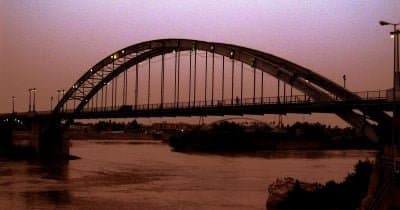
A U.S. military strike damaged two student housing complexes in Ahvaz, the capital of Iran’s Khuzestan province, according to the provincial governor cited by Al Jazeera. This development adds fuel to the already heated conflict between the United States and Iran, reflecting a sharp uptick in military actions near sensitive civilian areas.
While the U.S. Central Command has consistently framed its operations as strikes targeting Iranian military sites, this incident indicates increased collateral damage affecting non-military infrastructure. Ahvaz is a major city bordering the strategic oil-rich region of Khuzestan, making it a critical focal point in the ongoing power struggle. The attack on student residences raises concerns about the potential for wider humanitarian impact and signals a possible shift in the intensity of U.S. interventions.
Growing Regional Instability
This strike follows a series of encounters that have unsettled the region, with markets and observers interpreting heightened military activity as signs of growing instability within Iran. The damage to civilian infrastructure might influence both Iranian leadership responses and global diplomatic calculations. Market analysts note that such incidents increase the odds of significant geopolitical changes, which could ripple through energy prices and regional security dynamics.
Reports estimate that the airstrike directly affected two large complexes housing hundreds of students, underscoring the human element amid strategic clashes. The response from Iranian authorities and the U.S. will be closely watched to judge whether this marks a new phase of confrontation.
This content is for informational purposes and does not constitute financial advice.