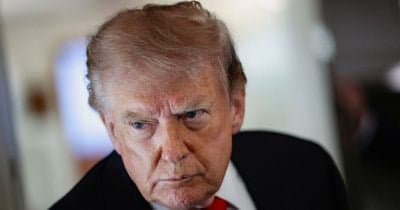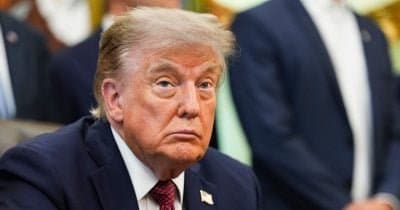
President Donald Trump is evaluating three distinct approaches toward Iran following a strategic meeting with Israeli Prime Minister Benjamin Netanyahu. The options on the table include negotiating a new nuclear agreement, tightening economic sanctions, or launching military strikes to counter Iran's advancing nuclear and missile programs. This meeting marks a critical point as Washington and Tel Aviv align their efforts to address what they view as a growing threat from Tehran.
The possibility of a nuclear deal seems to be waning, with market estimates showing the chances of the US lifting its blockade on Iran by July 31, 2026, dropping significantly from 12% to just 4.5%. Meanwhile, stronger economic sanctions or military interventions are gaining traction, which analysts believe reduces the odds of a full US-Iran agreement within this year. Adding complexity, the inclusion of reconstruction funding in any potential deal is currently seen as a 29% likelihood. The tension in the region increases further when considering Israel’s security concerns, reflected by a negligible 0.5% market probability of a permanent peace deal between Israel and Iran by the same deadline.
The unfolding situation could send ripples through the global markets, impacting not only geopolitical risk but also sectors tied closely to Middle Eastern stability. Traders remain alert to any signal from the Trump administration that may point toward which path will be pursued whether that means stepping up sanctions or preparing for military action. Meanwhile, Tehran’s response and any diplomatic initiatives could sway these probabilities. Observers will also watch military movements carefully, as escalation could trigger wider conflict scenarios, affecting energy prices and global trade routes.
This is an informational update, not investment advice.