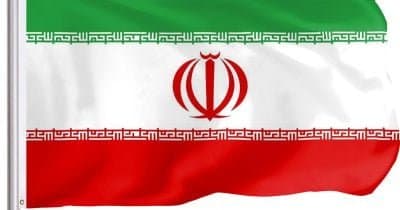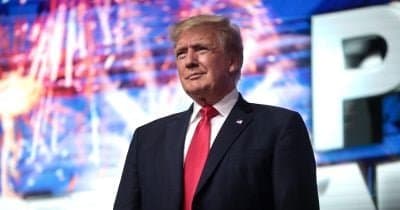
A drone attack targeted a U.S.-owned LNG tanker docked at Egypt’s Damietta port, igniting fires that spread to a second vessel. No group has claimed responsibility yet, but the incident marks a new front in the simmering tensions between the U.S. and Iran. President Trump responded immediately, warning that the U.S. would respond forcefully to this provocation.
Geopolitical Ripple Effects
This attack extends the conflict well beyond the Gulf, reaching into the Mediterranean and exposing vulnerabilities in global energy transportation. Markets are already reacting, showing rising odds that Iran could engage militarily with a Gulf state in the near term. The situation is delicate, with potential consequences for regional stability and energy supply chains.
What to Expect Next
The international community is watching closely for any signs of a U.S. military response or further Iranian action. Official statements from both sides could quickly escalate tensions or open pathways for negotiation. Investors and analysts will also monitor how this affects energy markets and geopolitical risk premiums.
Recent U.S. and Saudi strikes against Iran-backed militias underline the broader volatility in the region.
This content is for informational purposes and does not constitute financial advice.