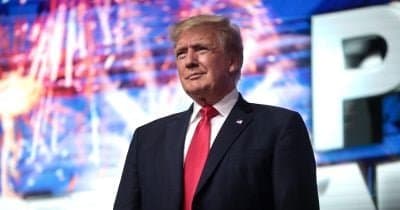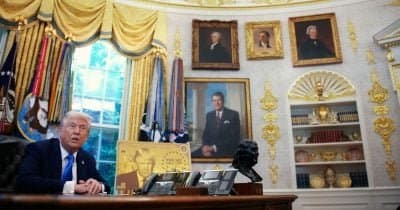
On July 29, Nvidia CEO Jensen Huang and United Airlines CEO Scott Kirby sat down with President Donald Trump in the Oval Office. Nvidia leads in AI chip technology, while United Airlines is a major player in aviation. Their joint meeting highlights where the current administration’s economic priorities lie.
Huang isn’t new to the White House. He’s become a familiar face during talks on semiconductor policies and tech strategies. His involvement even extended to a delegation visit to China in 2026, signaling Nvidia’s key role in shaping geopolitical and economic plans. Huang has complimented Trump’s surprisingly sharp knowledge of Nvidia’s products, showing the president’s close engagement with the tech sector.
Scott Kirby’s presence is more of a curveball. As head of the third-largest US airline, his expertise centers on aviation industry dynamics, including mergers and competition. The joint appearance suggests the administration is balancing attention between cutting-edge tech and traditional industries like transportation.
What’s missing, though, is any mention of cryptocurrencies, blockchain, or digital assets. This silence speaks volumes about where economic focus currently sits. Instead of diving into the often volatile crypto market, the administration appears to be concentrating on tangible sectors such as AI infrastructure and advanced manufacturing.
This focus contrasts with recent concerns raised by others in tech finance, like the warnings on quantum computing’s threat to Bitcoin D-Wave CEO Raises Alarm Over Quantum Computing Threat to Bitcoin. It also echoes moves by traditional finance firms integrating blockchain technology more cautiously, as seen with BNY Mellon's blockchain adoption.
The meeting is a clear signal: the administration’s economic spotlight shines on big tech chips and airlines, not digital currencies.
This content is for informational purposes only and does not constitute financial advice.