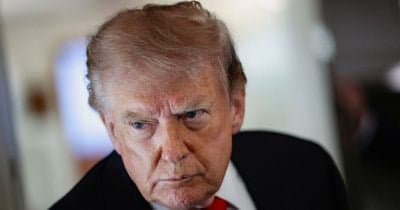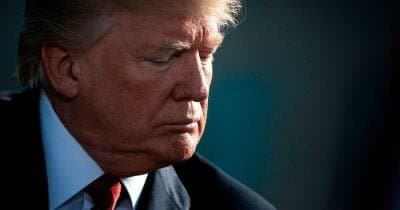
Donald Trump has issued a stern warning to Iran, declaring it will be held accountable for any future attacks carried out by Houthi forces. This statement, reported by the Wall Street Journal, intensifies already high tensions in the Middle East, especially in the Red Sea, where Houthis have been disrupting vital shipping routes.
The U.S. has long accused Iran of backing the Houthis with weapons and funding, allegations Tehran consistently denies. Trump's comments signal a hardening stance that could complicate ongoing negotiations aimed at a potential U.S.-Iran agreement expected in 2026. Market reactions to this development have been swift: prediction markets are now pricing in a lower probability for a full deal, particularly one that includes reconstruction aid and uranium enrichment restrictions.
Linking Iran directly to Houthi attacks represents a significant escalation, casting doubt on the region's stability and the feasibility of diplomatic progress. Observers are closely watching whether this rhetoric will trigger retaliatory measures or shifts in negotiation tactics from either side.
The situation echoes recent U.S. military actions targeting Iranian positions, which have already stretched tensions to new heights. Such dynamics feed into the broader uncertainty affecting energy markets, as seen in Brent crude prices climbing amid these geopolitical strains.
Material is for informational purposes and does not constitute financial advice.