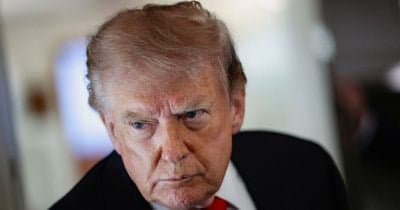
More than five months into the ongoing conflict between the US and Iran, frustration is mounting within the Trump administration. Initially, the situation was expected to wrap up quickly, but instead, military clashes have intensified, stretching far beyond early projections.
Escalating Tensions and Their Implications
Recent reports indicate that US forces continue to target Iranian military and maritime facilities, a strategy that has only fueled further escalation rather than paving the way for a swift resolution. This sustained military pressure complicates diplomatic efforts, reducing the odds of reaching a deal anytime soon.
Market reactions reflect growing skepticism about the chances of a full US-Iran agreement, especially concerning reconstruction funding. The current conflict environment seems incompatible with the peaceful terms initially hoped for, as talks involving mediators from Qatar and Pakistan remain stalled.
What Lies Ahead for Diplomatic Efforts
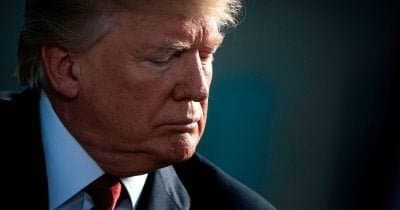
Observers are closely watching President Trump’s public comments and strategic moves for clues about potential policy shifts. The diplomatic scene remains fragile, with ongoing military operations casting a shadow over negotiations. Any significant change in either military activity or dialogue could influence the likelihood of a future deal on contentious issues like uranium enrichment and economic rebuilding.
As tensions continue, the prospect of a timely US-Iran agreement dims, raising concerns about long-term regional stability and the impact on global markets.