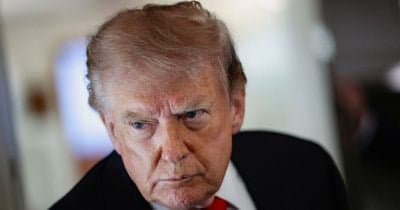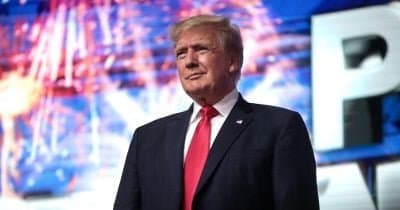
The Trump administration appears increasingly keen to step away from the ongoing confrontation with Iran, even as military strikes continue to shake the region. This development is surprising considering the recent escalation, marked by attacks on Iranian air defenses and maritime assets that shattered a fragile ceasefire established earlier this year.
Renewed Strikes Despite Diplomatic Hints
Since the conflict erupted with combined U.S. and Israeli airstrikes in late February, bursts of violence have undermined fragile attempts at peace. The latest attacks suggest that while Washington may be looking for an exit, it has not yet abandoned military pressure as use. These strikes shows the volatility and unpredictability that still dominate US-Iran relations.
Market Reactions Point Towards Negotiations
Financial markets have started to price in the possibility of a diplomatic shift. The chance that Iran Reconstruction Funding will be included in a US-Iran deal by 2026 has climbed to 26.5%, indicating growing optimism about a negotiated settlement. Traders seem to interpret statements from the Trump administration as a signal that formal talks may be forthcoming, which could reshape the conflict’s trajectory.
Diplomatic efforts by mediators from countries like Qatar and Pakistan are now under intense scrutiny, as any breakthrough could accelerate progress. Meanwhile, key voices such as US Chief Negotiator Mike Vance and Iranian Foreign Minister Javad Zarif are expected to play key roles in determining whether a lasting ceasefire or deal is achievable.
What Comes Next
The situation remains delicate. Any further military actions could derail diplomatic momentum, but the growing desire within the Trump administration to disengage points toward a potential pivot. Observers are watching closely for any official moves toward dialogue or agreement in the coming weeks.
This content is for informational purposes only and does not constitute financial advice.