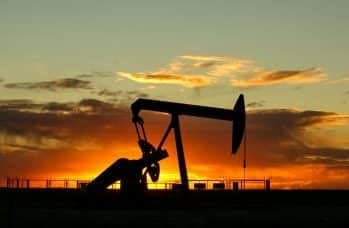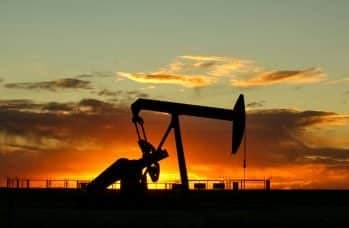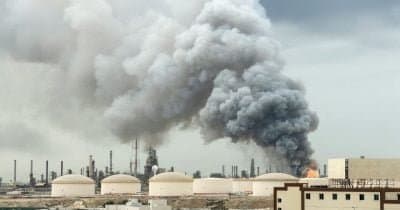
"We're looking at one of the worst supply shocks in decades," oil traders said as the Iran-led conflict with U.S. and Israeli forces yanked 2.6 billion barrels from global circulation. The Strait of Hormuz, which normally handles roughly a third of all seaborne oil, has been choked down to just 10% capacity. Military confrontations have essentially locked down shipping routes through what remains the world's most critical energy chokepoint. The disruption ripples across every corner of the oil market, from refineries waiting for tankers to traders reassessing their entire playbook for the next six months.
Betting markets are pricing in almost no chance of normalcy returning soon. The odds that traffic clears by August 31 sit at just 13.5%, barely budged from 12% the week before. Mid-August looks even grimmer at 2.3% probability. These numbers tell you everything about what market participants actually believe, not what they hope for. The blockade isn't loosening. Diplomatic channels remain frozen. And every day the strait stays closed, another tanker gets rerouted around Africa, adding weeks and millions in extra costs to every shipment. Oil prices have absorbed some of the shock already, but the real damage spreads through supply contracts, shipping insurance, and refinery schedules locked in months ago.
What happens next hinges entirely on whether anyone can broker a deal. Peace agreements, ceasefire announcements, or even just a shift in military posturing could flip these odds overnight. Vessel trackers currently showing 'CLOSED' would need to flip to 'OPEN' for any real relief. Until then, traders are watching Iranian leadership statements and any U.S. diplomatic moves like hawks, knowing that a single announcement could reshape energy markets for the rest of the year. The geopolitical risk premium is baked into every barrel traded today.
This material is informational only and does not constitute financial or investment advice. Oil market dynamics depend on numerous factors beyond those discussed here.