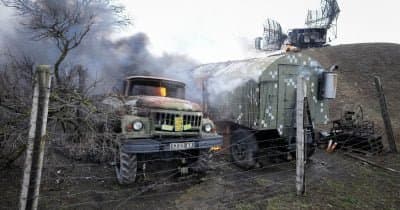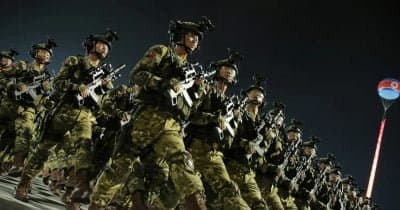
Pyongyang has moved combat troops into Russia's military operations. Reuters confirmed North Korean forces are directly engaged in battles across Ukraine, not just supplying weapons anymore. This marks the sharpest turn yet in how Moscow and Pyongyang work together, following their 2024 strategic treaty that promised mutual military backing.
The shift matters for three reasons. First, Russia gains fresh manpower for its Kursk campaign, where it's trying to claw back territory lost to Ukrainian counteroffensives. Second, it signals Pyongyang is now betting on Moscow's long game rather than hedging its bets. Third, and perhaps most dangerous, it removes the last buffer between two isolated regimes and the rest of the world. When authoritarian allies stop holding each other at arm's length, the stakes get real fast.
What this changes on the ground
North Korean troops bring bodies, not necessarily experience. Pyongyang's army hasn't fought a major conflict since 1953. That said, raw numbers matter in attritional warfare, and Ukraine is already stretched thin. The involvement could shift momentum in Kursk, where Russia has been grinding forward slowly. Markets are already pricing in higher odds of Russian advances toward Sloviansk, suggesting investors read this deployment as meaningful.
The deeper issue is momentum. Once one ally commits troops, pressure builds for the other to escalate. Russia might push harder. Ukraine might call for more Western weapons. NATO could tighten its posture. Each move invites a response. This is how conflicts that started in one corner of Europe suddenly involve forces from three continents.
What the world does next
NATO and Washington will watch how Seoul reacts first. South Korea shares a border with North Korea and has been carefully neutral about Ukraine, not wanting to provoke Pyongyang. But if North Korean troops suffer heavy losses in a foreign war, Seoul faces pressure to respond, either diplomatically or militarily. That's where this spirals.
The other question is whether Moscow and Pyongyang announce more cooperation openly or keep it quiet. Silence suggests they know it's radioactive. Public statements would signal confidence that the West won't escalate further. Either way, we're past the era of deniable support. This is now direct, boots-on-ground alliance building in real time.
This article is informational only and does not constitute financial or geopolitical advice.