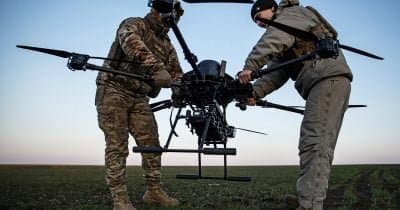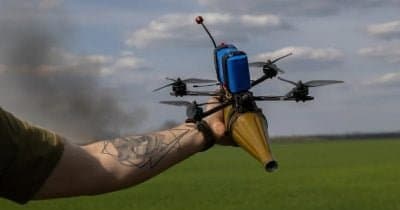
Ukrainian drone attacks hit targets across Russian territory and Crimea on August 6, marking another round in the relentless long-range campaign between both sides. Russia responded with missile strikes on Kyiv, keeping the capital under constant pressure.
The drone operations target Russian logistics and military infrastructure. Ukraine's strategy reflects an attempt to stretch Russian defenses across vast distances and disrupt supply lines feeding the front.
Prediction markets caught the shift immediately. Odds on Ukraine recapturing Crimea by end of 2026 ticked down slightly despite the escalation, suggesting traders view the drone campaign as tactically significant but not enough to shift the strategic balance on its own.
Russia's continued ability to launch missiles at Kyiv shows a hard reality, both sides retain long-range strike capacity. The cycle repeats, drones hit logistics hubs, missiles rain on cities, and neither side shows signs of backing off.
Military analysts will focus on whether these attacks disrupt Russian operations meaningfully or remain symbolic gestures. The pattern matters more than any single strike, particularly if Ukraine can sustain pressure over weeks.
Key figures to watch include President Volodymyr Zelenskyy and Commander-in-Chief Oleksandr Syrskyi for signals about operational momentum. Updates to frontline maps will reveal if drone strikes translate into territorial gains or simply consume resources on both sides.
This article covers military developments and market reactions. It is informational only and should not be interpreted as financial advice or investment guidance.