$5 billion: that's the estimated daily economic impact of the ongoing US-Iran tension that has lingered for five months. Despite the ongoing naval blockade of Iranian ports, the conflict has seen intermittent pauses in direct military action.
Diplomatic Signals Amidst Tensions
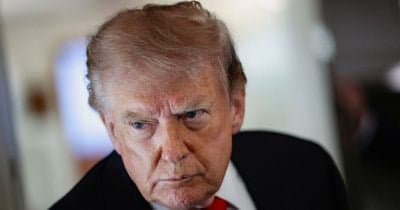
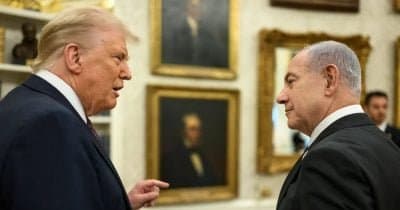
Israeli Prime Minister Benjamin Netanyahu arrived in Washington, D.C. for high-level discussions with President Donald Trump, marking a significant moment amid the strained relations in the Middle East. Trump characterized the ongoing exchanges with Iran as "friendly talks," indicating an unprecedented diplomatic warmth given the past hostility.
The strategic importance of Netanyahu’s visit shows a potential shift toward greater diplomatic engagement between these key allies. Although no formal ceasefire is in place, the presence of indirect talks between the US and Iran hints at cautious maneuvering behind the scenes, with both sides exploring possible avenues to reduce conflict.
Market Trends Reflect Growing Diplomatic Optimism
Market data currently prices in a 6% chance of a formal US-Iran diplomatic meeting by July 31, reflecting skepticism but a glimmer of hope. Looking further ahead, sub-market probabilities rise to 54% by August 31, suggesting that investors are preparing for a longer timeline to see tangible progress in peace negotiations.
Observers will be closely monitoring statements from the White House and Iranian officials for confirmation of any diplomatic breakthroughs. Netanyahu’s talks could catalyze announcements regarding ceasefires or expanded negotiations, which would undoubtedly influence both regional security and market confidence.
Any sudden military actions could derail these delicate discussions, causing renewed volatility. The global community remains on edge, weighing each diplomatic signal against the risk of escalation.