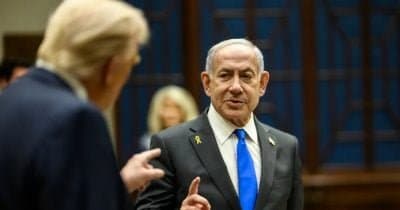
"There is no end to this war without the collapse of the Iranian regime or the complete cessation of its nuclear program," Israeli Prime Minister Benjamin Netanyahu declared, signaling a hardline position on the ongoing conflict. The Israel-Iran war has escalated beyond proxy clashes into direct military confrontations, drawing in the United States with strikes on Iranian nuclear sites and prompting retaliatory missile and drone attacks on Israeli territory.
Netanyahu’s stance rules out a mere ceasefire as an acceptable resolution, emphasizing that only fundamental shifts within Iran will bring lasting peace. Markets reflect this tension: prediction models estimate a 63% chance of a ceasefire lasting through August 31, yet underlying volatility remains due to ongoing military exchanges and uncertain diplomatic signals.
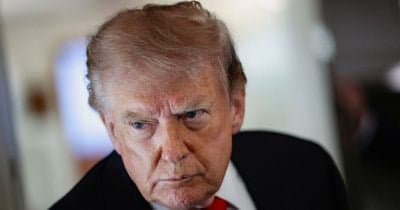
The involvement of the US and Iran’s persistent retaliations complicate hopes for a quick de-escalation. Observers are closely watching diplomatic initiatives and public statements from figures like Donald Trump, as well as shifts in Iran’s nuclear activities, which could dramatically reshape prospects for ending the conflict. Any fresh attacks targeting strategic sites or changes in US policy could tip the balance toward renewed hostilities.
These developments echo broader regional dynamics, including recent news about the US halting airstrikes amid talks led by Oman, which shows the fragile nature of current ceasefire efforts and the high stakes involved for stability in the Strait of Hormuz and beyond.