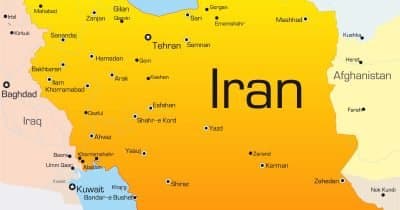
Explosions and air defense responses were reported in 14 Iranian cities recently, marking a sharp escalation in the ongoing 2026 Iran war. Among the affected locations were areas close to the Arak heavy-water reactor and a major oil terminal, highlighting the targeting of critical infrastructure. These strikes follow a pattern of attacks on Iran’s nuclear sites, which the International Atomic Energy Agency (IAEA) confirms are currently inactive, reducing immediate radiological risks.
Details of the Incidents
The series of explosions spread across multiple regions, signaling a significant escalation in the conflict. Iranian authorities have responded with heightened air defense activity, reflecting increased security concerns. The strikes particularly near the Arak nuclear facility and vital oil export terminals suggest a strategic attempt to disrupt Iran’s nuclear advancement and economic lifelines.
In addition to defensive measures, Iran has launched retaliatory missile and drone strikes targeting Israeli and U.S. positions within the region, confirming the conflict remains active without any ceasefire agreements. This ongoing warfare has placed the possibility of Iran imposing a full airspace closure under serious consideration, as the risk to civilian and commercial flights grows amid the turbulence.
Market and Regional Reactions
Financial markets have responded to the heightened tensions by adjusting the odds of a full Iranian airspace shutdown. Current market pricing sets the likelihood at 37.5% for closure by the end of July, up from 36% just a day earlier, reflecting growing volatility and concern among investors and airlines.
Observers are closely watching announcements from the Civil Aviation Organization of Iran and Iranian state media for any official notices or NOTAMs indicating a formal closure of Iranian airspace. Diplomatic engagements between the U.S. and Iran, alongside reports of military developments, will play a key role in shaping future scenarios.
The continuing targeting of infrastructure critical to Iran’s nuclear program and economy adds pressure on regional stability, with potential ripple effects on global energy markets and geopolitical alignments. This situation bears watching as conflict dynamics evolve.