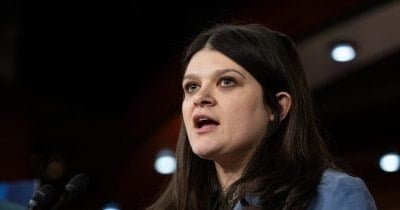
Fairshake dropped over $10 million on a single race in Illinois and lost. Lt. Gov. Juliana Stratton won her Democratic primary anyway, handing the crypto super PAC its biggest defeat yet. For a political operation that had entered 2026 with $116 million in cash, that sting matters less than what it signals: crypto's money can't buy everything, especially in blue strongholds where voters already lean skeptical.
But one loss against 38 wins is a rounding error. Fairshake's 95% success rate across the first 40 races of the cycle shows something much bigger is happening. The crypto lobby isn't just spending anymore. It's winning, consistently, across both parties.
Where the Money Actually Sticks
Rep. Barry Moore, an Alabama Republican running for Senate, picked up roughly $12 million in Fairshake support and won. Rep. Andy Barr, a Kentucky Republican, got about $7.17 million and crossed the finish line. Christian Menefee, a Texas Democrat, pulled in roughly $6.47 million. The pattern is deliberately bipartisan. Fairshake doesn't care which party a candidate belongs to. It cares whether that candidate will vote for crypto-friendly policy.
This approach worked in 2024, when Fairshake and affiliated groups spent somewhere between $100 million and $200 million to reshape congressional races. It's working even better now. Organizations like Stand With Crypto are quietly tracking pro-crypto candidate rosters that keep getting longer.
Congress Decides Everything Now
Stablecoin frameworks. Exchange licensing. DeFi classification. Every single policy that matters to crypto eventually runs through Congress. The 2024 spending already shifted the temperature on Capitol Hill. Stablecoin legislation moved further than most people expected. The SEC softened its tone under political pressure. Those weren't accidents.
Fairshake still has over $100 million left to deploy, a 95% win rate, and a crystal clear roadmap for expanding crypto's political footprint. One loss in Illinois doesn't slow that down. Crypto bills are already competing for floor time as lawmakers race to finalize rules before recess. That's not happening by accident either.
This article is informational only and does not constitute financial or investment advice.